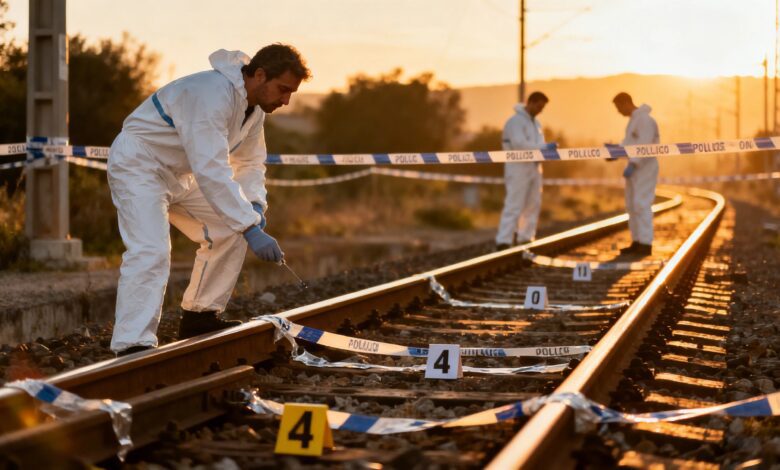
The situation surrounding the investigation into the Adamuz train disaster has become one of the most talked-about topics in Spain. More than two months have passed since the tragedy that claimed 46 lives, yet key elements that could shed light on the causes of the accident have still not undergone laboratory analysis. This situation is causing concern among experts and the victims’ families, as the conclusions of the examination will determine not only who is at fault but also help prevent similar incidents in the future.
The main reason for the delay is the inability to promptly appoint independent experts to conduct the necessary tests. As ABC notes, it was only at the end of March that a lottery was held among specialists willing to take on the work. Before that, many candidates refused to participate, despite an impressive list of 40 professionals with more than 15 years of experience in the railway sector. Judge Cristina Pastor repeatedly appealed to the Andalusian authorities for assistance, but the process dragged on due to a shortage of suitable specialists.
Problems appointing experts
After lengthy searches and refusals, the judge had to resort to a draw to select three experts: R.I.M.C., J.A.M.M., and E.M.M. However, even after this, the appointed specialists must confirm their willingness to begin work within three days of notification. So far, their consent has not been received, leaving the investigation at a standstill and the case materials without the necessary conclusions.
Meanwhile, the Guardia Civil and CIAF specialists have already prepared hundreds of pages with the results of their investigations, as well as several progress reports. Despite this, the physical evidence — the welds and rails — remains under guard and has not been examined. This delays not only the determination of the causes of the accident but also decisions regarding railway safety in the country.
Laboratory tests and independence of analysis
Back in February, CIAF experts proposed two laboratories to conduct metallurgical tests: the state-run National Center for Metallurgical Research (Cenim) and a private company, Aimen from Galicia. The latter was required to provide quality certificates and sign a declaration of no conflict of interest to prevent any influence from stakeholders such as Renfe, ADIF, and other major industry companies.
The cost of the comprehensive tests was estimated at €53,100 excluding VAT, with a time frame of up to six months. However, delays in appointing experts caused the offer to expire, so the terms of cooperation will need to be reviewed. The judge refused to authorize the analyses until the final approval of an independent expert, further prolonging the process.
Conflicts between the court and railway companies
The investigation is complicated not only by bureaucratic delays, but also by tense relations between the court and ADIF representatives. According to ABC, there were previous cases when company employees moved materials from the accident site without judicial authorization, as well as conducted non-destructive tests on welded joints without the judge’s approval. This provoked a strong reaction from Cristina Pastor, who demanded prior notification of any work and required her approval before proceeding.
Another incident occurred after the judge visited the ADIF base in Hornachuelos, where it was revealed that the company had replaced more rails than was officially declared. The reason was the lack of quality certificates for some of the materials. In response, the judge instructed the Guardia Civil to conduct an additional inspection to rule out possible violations.
Impact on the investigation
All these factors have resulted in the investigation making little progress two months after the tragedy. Key rail samples under the control of CIAF remain unexamined, which makes it impossible to determine the actual state of the infrastructure along the Adamuz stretch. This not only delays identifying those responsible, but also leaves questions about the safety of rail transport in Spain unanswered.
In recent years, Spain has faced several major railway accidents, where investigations were also delayed due to bureaucracy and a shortage of independent experts. For example, after the Santiago de Compostela disaster in 2013, it took over a year to determine the causes, and the conclusions were disputed by different parties. Such cases highlight the importance of transparency and prompt action in investigations to prevent future tragedies and strengthen public trust in the transport safety system.