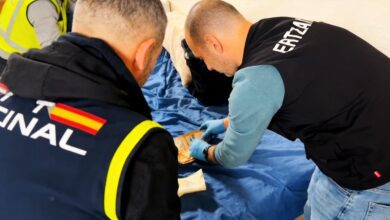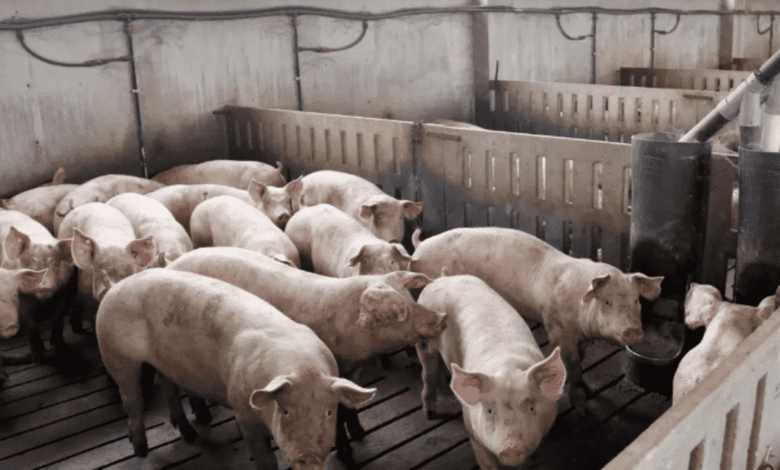
The end of the year in Catalonia is marked by anxiety: the region has come under the spotlight after the discovery of dead wild boars showing signs of African swine fever. Initially, two animal carcasses were found in Bellaterra, and within a few days, the number of casualties grew to nine. Authorities quickly called in the military to prevent the spread of the disease, as the threat to pig farms became real.
Preliminary findings by experts point to an unusual source of infection—a sandwich with sausage likely containing the virus. Nevertheless, heated debates erupted on social media: many users accused environmental initiatives and the so-called ‘2030 Agenda,’ claiming that the alleged hunting ban led to a surge in the wild boar population and, as a result, to the outbreak.
Hunting and population
However, official data refute these allegations. There are no additional restrictions on hunting wild boars in Catalonia. According to regional regulations, hunting is permitted from September to March, and in summer if the animals damage crops. Last year, hunters culled over 73,000 boars, with most taken in Girona and Barcelona.
Yet, despite active hunting, the wild boar population continues to grow. The Ministry of Agriculture notes that over recent decades, their numbers have multiplied and could double by 2025. Their population is especially high in Girona, Barcelona, Tarragona, and in neighboring regions such as Huesca and Valencia.
Causes of infection
Experts emphasize that the large number of wild boars makes it harder to fight the virus, but is not the root cause of its appearance. According to them, the primary way the infection is introduced is by human activity. Food leftovers discarded in the forest, especially meat products, can contain the virus, which remains active for a long time in cured sausages and other pork products.
The African swine fever virus has been circulating in Europe for many years. It initially entered through Georgia and Armenia, then spread across Eastern European countries, and in recent years has reached Germany and Italy. The potential routes into Spain are either the migration of infected animals across the Pyrenees, or the import of contaminated meat products.
The human factor
The national wild boar control plan highlights that international highways and roadside rest areas pose a particular risk. Drivers tossing out food scraps could inadvertently trigger an outbreak. Regular hunting alone can’t fully contain the population growth, so authorities are recommending additional measures: traps, cutting-edge technology, including drones with thermal imaging to spot the animals.
Farmers are demanding decisive action from the authorities. They say the government should be responsible for controlling the number of wild animals to prevent economic losses. Already, some countries, such as Taiwan, Mexico, and Japan, have suspended imports of Spanish pork due to the outbreak.
Regional challenges
The situation in Catalonia has prompted discussions not only about health risks, but also economic ones. An outbreak of African swine fever could impact exports and lead to losses for local producers. At the same time, experts emphasize that only a comprehensive approach—combining the efforts of hunters, specialists, and authorities—can contain the spread of the virus.
If you weren’t aware, African swine fever is a viral disease that affects both domestic and wild pigs, but poses no risk to humans. Outbreaks can cause significant economic losses for agriculture. In Catalonia, the situation is monitored not only by the local government, but also by national services, including the Ministry of Agriculture and specialized laboratories. In recent years, Spain has actively implemented new monitoring and control methods to protect the industry and export markets.