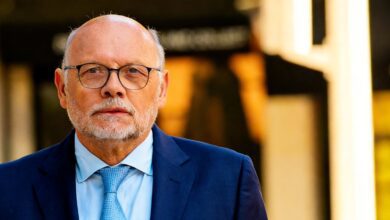
The situation surrounding Indra is once again at the center of attention for Spain’s business and political circles. The sharp decline in the company’s share price has sent a signal to the entire market: uncertainty in leadership could have serious consequences for the country’s defense sector. The future of Indra’s president, Ángel Escribano, is now being discussed not only by shareholders, but also at the government level, increasing tensions and renewing concerns among investors.
According to El Confidencial, in recent days there have been talks about accelerating the process of changing the company’s top executive. Despite this, Ángel Escribano continues to have the backing of several major shareholders, including Amber Capital and some board members. There is also noted interest from the Third Point fund, though its stake in Indra’s capital remains undisclosed. This uncertainty is hindering the company’s ability to make strategic decisions and catch up with European competitors as the defense sector expands.
Internal disagreements
There are ongoing disputes within Indra’s board of directors regarding the company’s future. Less than two months after the previous crisis, the parties have yet to reach a consensus on a merger with Escribano Mechanical Engineering. The government is striving to maintain control over Indra, while the Escribano brothers insist on a fair valuation of their technological contribution. Opponents of the deal, including Sapa—the third largest shareholder—continue to apply pressure and have strengthened the government’s position against the agreement.
Spanish authorities are outwardly showing restraint. Economy Minister Carlos Cuerpo emphasized that the decision on the future of Ángel Escribano should be made by Indra’s board of directors. He also highlighted the importance of caution in such matters, given the company’s public status. This statement came after another Cabinet meeting, where key issues for the country’s economy were discussed.
Key decisions on the horizon
The upcoming Indra board meeting, scheduled for March 25, could be a turning point for the company. In addition to discussing the president’s future, the agenda includes renewing CEO José Vicente de los Mozos’s mandate. During his tenure, Indra has implemented its strategic plan ahead of schedule and strengthened its position in the industrial sector. However, ongoing leadership uncertainty could slow further growth and the rollout of large-scale projects such as the FCAS program, where Indra partners with Airbus and Dassault.
In recent weeks, the Escribano brothers have signaled willingness to merge, which would leave their stake in Indra lower than that of the state holding Sepi. Nevertheless, opposition remains strong both within the board and among shareholders, making it difficult to reach a compromise. According to russpain.com, such disagreements could lead to a protracted management crisis and weaken Indra’s position in the European market.
What happens next
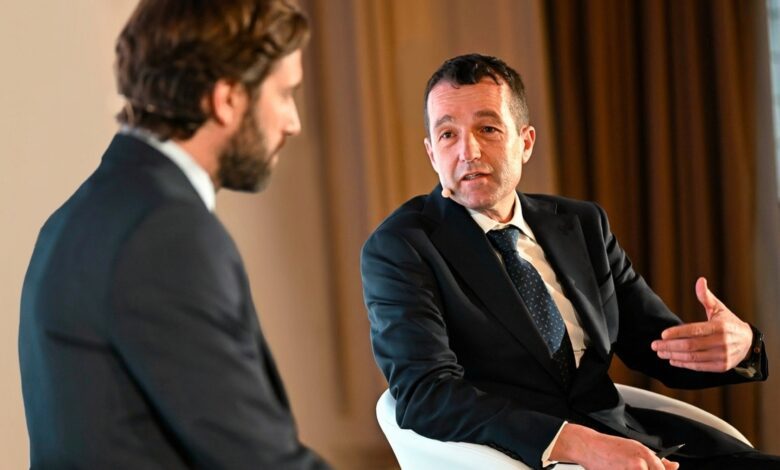
While negotiations continue in Madrid, Ángel Escribano is moving forward with his work plans. He recently led an event in Asturias, where Indra met with three hundred supplier companies to expand its production chain as part of new defense programs. During the meeting, agreements were signed with 23 companies, and the total investment in the region will reach 120 million euros. This event highlights Indra’s commitment to strengthening its role in the national industry despite internal disagreements.
In recent years, Spanish companies have increasingly faced management crises caused by state intervention and shareholder disputes. Similar situations have occurred at other major firms, where leadership changes resulted in temporary market instability and delays in strategic projects. As the defense sector grows and competition tightens across Europe, such internal conflicts could have long-term consequences for the entire industry.