The consequences of devastating downpours in Andalusia are already being felt throughout Spain. The scale of the damage is staggering: thousands of people have been forced to leave their homes, and the region’s agriculture stands on the brink of disaster. Authorities have called for immediate action and a revision of financial priorities to address the aftermath of the natural disaster.
According to regional government estimates, the damage from the series of storms and floods has reached record levels. Road repairs alone will require about 500 million euros. The disaster has affected not only infrastructure and transportation, but also key areas of the economy, including tourism and the agricultural sector.
Emergency measures
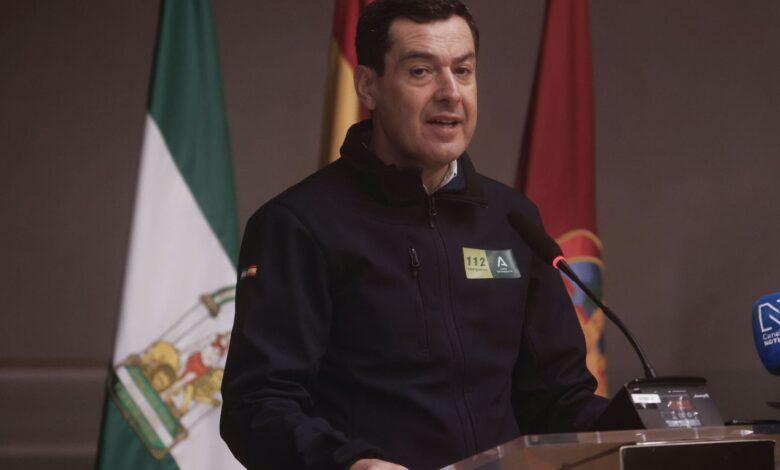
Regional leader Juanma Moreno has announced plans to appeal to the central government to activate the national emergency fund. In addition, Andalusia is counting on support from the European Union to expedite recovery efforts and assist those affected.
Authorities have already begun revising this year’s budget to allocate additional funds for disaster recovery. Special attention is being given to those forced to evacuate: according to the latest data, more than 11,000 residents have left their homes due to the threat of flooding and destruction.
Agriculture under threat
The blow to the agricultural sector has been particularly severe. According to preliminary estimates, up to 75% of the region’s farmland has been damaged. This threatens not only this year’s harvest but also the economic stability of thousands of families working in agriculture.
In some areas, such as the surroundings of the Guadalquivir River, water levels have reached critical points. In the provincial capital of Córdoba, more than a thousand people had to be evacuated. Dozens of municipalities have been affected overall, and it may take months to restore infrastructure.
Transport and tourism
The disaster also hit the transport network: 45 regional roads have become impassable or damaged. This has complicated movement and the delivery of humanitarian aid to affected areas. The tourism industry has also felt the impact: excursions have been canceled, popular routes closed, and hotels and restaurants are reporting losses.
Authorities emphasize that a final assessment of the damage and a list of necessary measures will be determined once adverse weather conditions subside. The situation is expected to become clearer by next week, when support and recovery programs can begin.
Priority — safety
At this point, the main priority remains ensuring the safety of the population. Authorities have mobilized all available resources for evacuation, accommodation, and support of those affected. Many families will not be able to return to their homes in the near future, and the regional government is prepared to allocate additional funds for temporary housing and housing restoration.
In the coming days, the focus will be on assessing the damage and preparing a support package. Authorities promise that no one affected will be left without assistance, and the recovery of the region will become a priority at all levels of government.
In recent years, Spain has repeatedly faced devastating weather events. In 2023, similar downpours caused serious damage in Valencia and Murcia, where mass evacuations and significant agricultural losses were also reported. It took several months to restore infrastructure, and compensation for those affected was discussed at the highest levels. Such situations underscore the importance of timely response and coordination between regional and central authorities, as well as the need to revise disaster prevention strategies.