Just a few hundred meters from Las Poleas beach, in the municipality of Tapia de Casariego, lies a gold reserve considered the largest in Western Europe. The Romans were the first to work these lands, leaving behind a lagoon, but the main riches remain untouched. Over the last two decades, various companies have tried to obtain mining permits, but each time they have faced insurmountable obstacles.
The latest attempt comes from Exploraciones Mineras del Cantábrico (EMC), a subsidiary of the British company Black Dragon. Previously, Rio Narcea Gold Lines and Astur Gold had tried their luck, but their projects either failed environmental reviews or were blocked by regional authorities. Even after being denied in 2015, EMC persevered and in 2021 presented a new plan: invest 100 million euros, create 150 direct jobs and another thousand indirectly, with an expected mine lifespan of 16 years. Estimates suggest the mines could contain up to 32 tons of gold.
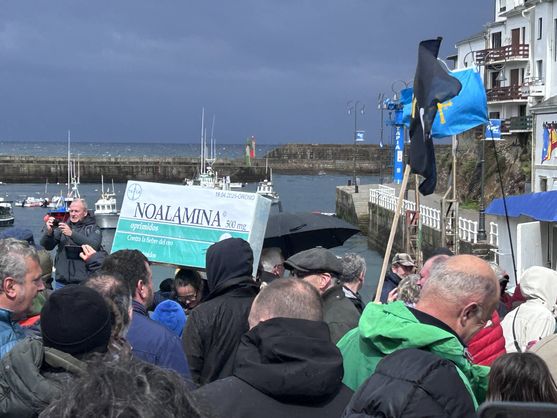
However, local residents and environmentalists remain steadfast in their opposition. Years of resistance to mining in Salave have forged a strong movement, uniting fishermen, business owners, nature advocates, and ordinary citizens. Even the municipality, governed by Partido Popular, has taken a stand against the project, with socialists joining the protest. The main concerns are possible water pollution, a threat to tourism, and harm to the ecosystem. Regional authorities must now decide whether the project will receive strategic status, which would simplify the licensing process.
Supporters of mining, including the Association for the Reindustrialization of the West, believe that gold could revive the region, create jobs, and curb population decline. They are joined by the largest miners’ union, which insists on the project’s importance for the economy. Experts note that modern technology allows for minimizing harm, and underground mining is considered less hazardous to the environment. Nevertheless, risks remain: there are concerns about the possible use of toxic substances and landscape alteration.
In recent months, the situation has escalated: after the adoption of a new law on strategic projects, companies had the opportunity to speed up the approval process. EMC applied for special status, and in the summer, authorities opened a period for public consultations. The response was unequivocal—dozens of organizations and local residents spoke out against it. Now the decision rests with the government of Asturias, but the standoff between supporters and opponents is only intensifying.
The future of the gold deposit in Tapia de Casariego remains uncertain. Some see it as an opportunity for the region, while others view it as a threat to the environment and traditional way of life. In the coming weeks, it will become clear whether the project will get the green light or remain yet another unfulfilled dream.