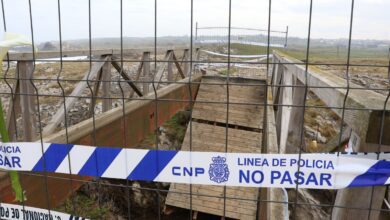
The events in Santander shocked all of Spain: just a day before the collapse of the wooden footbridge in the north of the city, local authorities received a warning about its dangerous condition. This alert, sent by a local resident, did not result in immediate action, and the very next day the structure gave way, claiming the lives of five young people. For Spaniards, this case served as a reminder of the importance of swift responses to reports of risks in public spaces.
According to El Pais, the tragedy occurred during a field trip with a group of students from La Granja de Heras center. Seven young people with a passion for nature and studying animal-related fields were on the bridge when it suddenly collapsed. Five died, one girl is still missing, and another remains in critical condition at Valdecilla Hospital. The victims were between 19 and 22 years old.
Authorities’ response
The municipality, led by Gema Igual, reported that it had requested a detailed report from the police regarding the emergency call made to 112. Authorities intend to include this document in the judicial investigation materials. It remains unclear why access to the dangerous site was not restricted after the warning about the unstable structure. City officials have not publicly explained how information about the risk was handled.
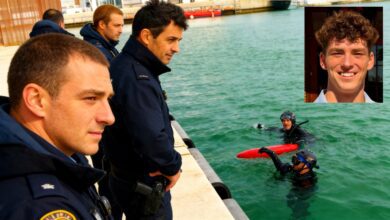
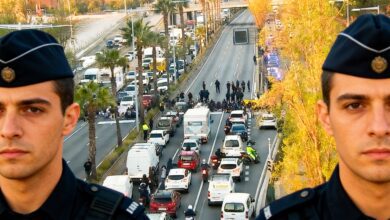
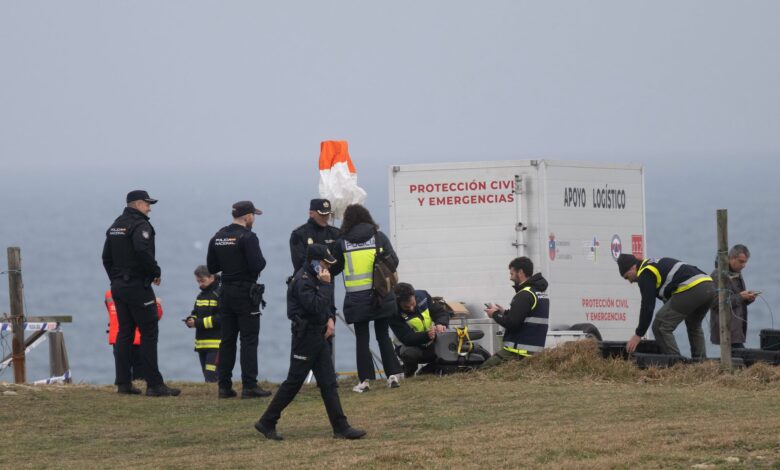
While the search for the missing girl from Guadalajara continues, rescuers, police, and volunteers are working in the area of the tragedy. Officers from the National Police and the GEO special unit are inspecting the rocks and crevices, using advanced equipment including an underwater drone. Operations have been underway since early morning, with strict access controls at the scene.
Search and Investigation
Not only rescuers but also forensic experts are involved in the operation, analyzing the circumstances of the students’ deaths. Firefighters, civil protection personnel, Red Cross representatives, and the 112 emergency service are working on site. Their goal is not only to find the missing girl but also to gather as much information as possible to determine the cause of the disaster.
The director of the educational center where the victims studied noted that the group was known for its unity and activity. For many local residents, this tragedy struck a personal note: the young people were well known in their towns and villages. Authorities have promised a thorough investigation and measures to prevent such incidents from happening again.
Context and Consequences
The incident in Santander sparked a wave of discussion across the country. Questions about infrastructure conditions and the responsibility of municipal services once again took center stage. According to RUSSPAIN.COM, Spain has already seen cases in recent years where insufficient attention to the technical state of bridges and crossings led to accidents. For example, in Andalusia, a state of emergency was declared recently due to a devastating storm, which also exposed vulnerabilities in many structures— details about the aftermath of the bad weather and the authorities’ response.
Experts note that such incidents require not only technical inspections but also a swift response to citizens’ reports. In recent years, Spain has toughened safety requirements for public structures, yet the tragedy in Santander showed that the response system is still far from perfect. The country is now debating the need to review procedures and increase accountability for ignoring risk warnings.
Recalling similar cases, it is worth noting that in 2024, after the collapse of an old bridge in Galicia, authorities carried out a sweeping inspection of all such structures. At that time, new tragedies were prevented, but the situation in Santander once again highlighted the enduring relevance of the problem. Across various regions of Spain, new safety standards continue to be implemented, yet the human factor and the speed of decision-making still play a crucial role.