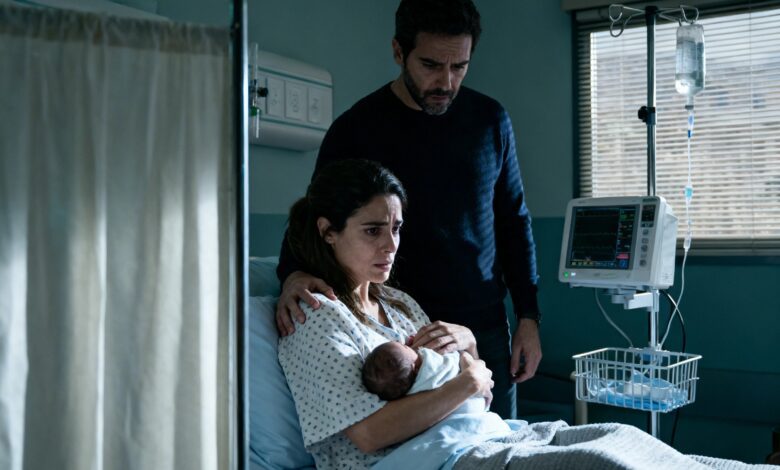
In Spain, the number of newborns increased over the past year, but the growth was so modest that it failed to change the overall picture. For many families and experts, this event raised the question: is the birth rate situation truly improving, or is the country still facing serious demographic challenges? In 2025, 321,164 babies were born in the country—just 0.99% more than the previous year, which had marked a historic low since 1941.
Such a slight increase offers little cause for optimism. Although official data show a rise in births, experts point out that Spain’s birth rate remains among the lowest in the world. The country continues to grapple with an aging population and a decrease in the number of young families. Even minor increases are not enough to change the long-term trends that have been worrying demographers and economists for several years.
Mother’s age and trends
In recent years, more and more women in Spain have been postponing childbirth until later in life. In 2025, the majority of babies were born to mothers aged 30 to 34—there were 106,224 such births. Next were women aged 35 to 39, who gave birth to 95,348 children. By comparison, only 55,735 newborns had mothers aged 25 to 30. This trend toward later motherhood has become increasingly evident and is impacting the country’s overall birth rate.
The shift in the age of motherhood is linked to lifestyle changes, economic challenges, and instability in the job market. Many young people prefer to first get an education, build a career, and only then have children. As a result, the average age of mothers in Spain continues to rise, while the number of births among women under 30 is declining.
Regional differences
The demographic situation varies across regions of the country. Madrid and País Vasco registered a significant increase in the number of newborns—by 3.1% and 3.04% respectively. At the same time, in some autonomous communities such as Extremadura, Cantabria, and Navarra, there has been a decline: the number of births decreased by 1.49%, 1.31%, and 0.85% respectively.
These differences are explained not only by economic factors, but also by local policies, the level of family support, and housing availability. In regions with more developed infrastructure and better opportunities for young families, the birth rate rises more quickly, while in less prosperous areas the situation remains difficult.
Mortality and demographic balance
Along with a slight increase in the number of newborns, Spain has also seen a rise in mortality. In 2025, 446,982 people passed away—2.5% more than the previous year. As a result, the gap between deaths and births reached minus 122,167 people. This negative balance has persisted for several consecutive years and is putting increasing demographic pressure on the economy and the social sector.
Declining birth rates and rising mortality are leading to an aging population, impacting the labor market, pension system, and healthcare. Authorities and experts are discussing possible measures to support families, but so far none of these initiatives have resulted in a significant turnaround.
In recent years, Spain has repeatedly reported record low birth rates. For example, 2024 saw a historic minimum, while figures in previous years also remained low. Similar trends are seen in other European countries, where later motherhood and fewer children per family are becoming the norm. Some regions of the country are already implementing programs to support young parents, but their effectiveness is still in question. Demographic challenges remain one of the main topics of discussion in Spanish society.