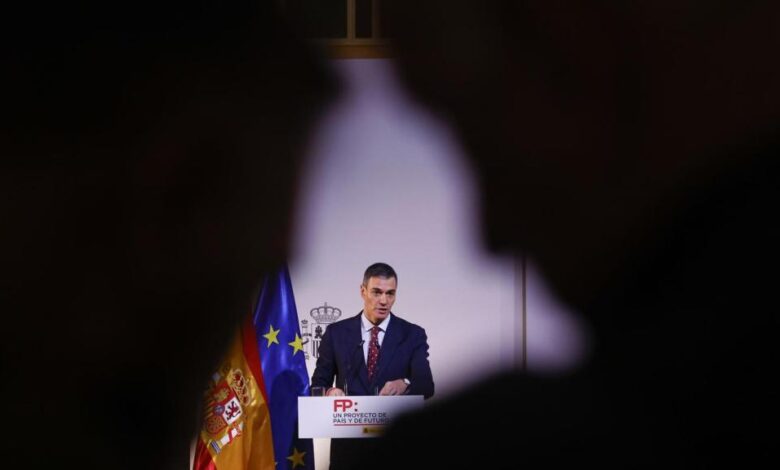
Spanish society is currently focused on two initiatives that could change the usual order in the country and affect relations with the European Union. The government’s decisions have raised concerns among European partners and called into question the stability of migration and digital rights. For residents of Spain, this could mean possible changes to border crossing rules and internet access, as well as new challenges for the national economy and social sector.
Migration challenge
Plans to legalize hundreds of thousands of migrants have sparked sharp debate at the European level. The authorities intend to grant legal status to between 500,000 and 800,000 people, which has raised concerns among a number of EU states. In Brussels, there are fears that such a move could trigger an increase in migration flows and create additional difficulties for the Schengen system. As a result, freedom of movement within the European Union could be at risk, and national immigration services might become overloaded.
Leaders of the European People’s Party and representatives from other countries have voiced concern that mass legalization could signal new waves of migration. They believe such decisions should reflect the interests of the entire union, not just one country. At the same time, Spain is already seeing lines at immigration offices, while illegal border crossing schemes are becoming increasingly sophisticated.
Internet control
The government’s second initiative concerns the regulation of the digital space. The new bill proposes a ban on social media use by minors under 16, as well as the introduction of a system to track and analyze user behavior. According to its authors, this should help detect and prevent the spread of hate and polarization online.
However, the European Commission pointed out that such measures contradict the current Digital Services Regulation, which already sets unified rules for all EU countries. Introducing national restrictions could fragment the digital market and create barriers to the free provision of online services. Experts warn that attempts at centralized internet control may lead to accusations of censorship and violations of user rights.
Political background
The domestic political situation in Spain also affects developments. Against the backdrop of recent transport disasters and criticism directed at the government, the new initiatives are seen as an attempt to shift the agenda and divert public attention. Opposition parties insist that such decisions must be coordinated with European institutions and that common rules must be respected.
The European Parliament has already scheduled a special debate on migration and digital regulation. Representatives of right-wing and centrist parties are demanding explanations from the Spanish authorities and insisting on transparency in the measures being adopted. Meanwhile, there is growing public concern about the possible consequences for the economy, social sector, and the country’s international image.
Implications for the EU
Brussels’ response to Spain’s actions could set a precedent for other countries considering independent regulation of migration and digital processes. Decisions made in Madrid are already sparking debate on whether to revise EU-wide rules and tighten oversight of their enforcement. If the situation escalates further, new restrictions on movement within the Schengen Area and stricter national legislation requirements cannot be ruled out.
In recent years, the European Union has repeatedly faced attempts by individual member states to introduce their own rules in areas governed at the EU level. Such moves have led to drawn-out disputes and the need to find compromises. The Spanish case could become another example of how domestic political decisions can impact the entire framework of European cooperation.
Reflecting on recent events, it is worth noting that Spain has previously debated issues related to changing voting rights for migrants and the consequences of mass legalization. One of our earlier articles delved into the disputes between parties about the impact of new citizens on elections and potential legislative changes. For more on how these processes could shape the country’s future, read the publication “Voting Rights for Immigrants and Descendants of Exiles: What Will Change in 2026”.