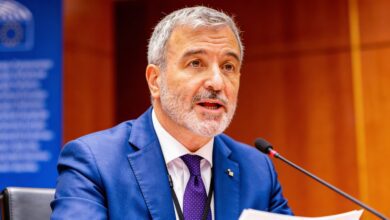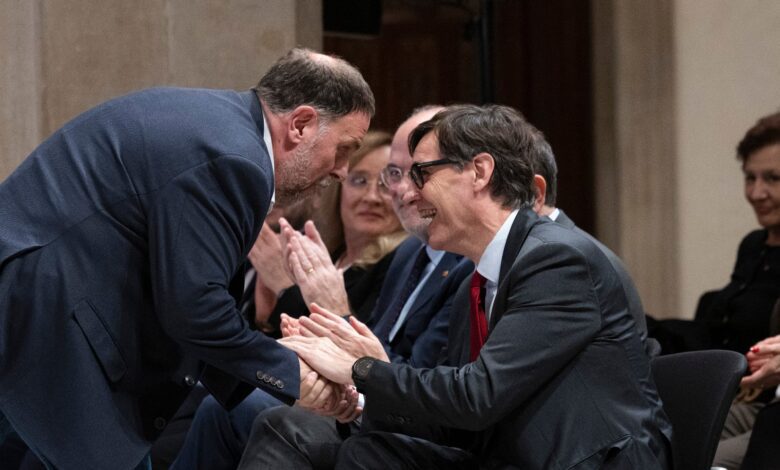
Catalonia is facing a critical situation: the regional government, led by Salvador Illa, has found itself at the center of a budget crisis that could impact thousands of residents. The approval of new accounts has become a key issue for the future of social programs, salaries, and infrastructure projects. The lack of support from Esquerra Republicana de Catalunya (ERC) and uncertainty over the transfer of tax powers threaten the financial stability of the autonomous region.
Currently, Illa and his team have only 42 votes in parliament, which, with the backing of Comuns, rises to 48—well short of the required majority of 68 seats. Esquerra, holding 20 seats, insists on concrete steps from the central government regarding the transfer of a share of IRPF revenues, as was previously agreed. However, as El Pais notes, Madrid is in no hurry to meet these demands, and talks have stalled.
Pressure on the government
In a state of political isolation, Illa’s government is trying to ease social tensions. Agreements have already been reached to raise salaries for teachers and members of Mossos d’Esquadra, a move that was intended to calm some of the protest moods. In addition, the authorities have intensified work on the Eje Ferroviario Tranversal project, which will connect Girona and Lleida—an initiative seen as an effort to show readiness for long-term investments and to address the interests of Esquerra.
Despite these efforts, the situation remains unstable. Esquerra leader Oriol Junqueras continues to insist on meeting the tax conditions, while the Illa government appeals for an “act of trust” and recalls previous steps such as the financing reform and the creation of the new Rodalies company. At the same time, according to El Pais, the central authorities do not plan to discuss the IRPF issue at the upcoming Fiscal and Financial Policy Council meeting.
Risks and Scenarios
If the budget fails, the region may face the need for early elections—a prospect Illa categorically rejects. He points to the negative experience of other regions, where the lack of a budget led to the rise of radical parties and prolonged negotiations. However, as El Pais reports, Esquerra suggests considering the approval of the budget only after the elections in Andalusia, which does not suit the current Catalan leadership.
Meanwhile, Illa is holding intense talks with trade unions and employers to secure the support of key economic sectors. Recently, agreements were reached with CC OO and UGT on education issues, although these unions do not dominate the sector. In public statements, Illa emphasizes the importance of “responsible politics” and calls on the opposition to engage in constructive dialogue, but so far there has been no real progress in negotiations with Esquerra.
Context and Implications
Catalonia continues to operate under the 2023 budget rules adopted during the tenure of Pere Aragonès. The new accounts allocate an additional €9 billion that could be invested in infrastructure development and social support programs. However, without agreement from Esquerra and concessions from Madrid, these funds remain inaccessible.
In recent years, similar budget crises have already led to political upheaval across Spain. For example, in Extremadura and Aragón, early elections were called after budget failures, strengthening the position of the VOX party and complicating the formation of new coalitions. An analysis by russpain.com notes that prolonged negotiations and a lack of compromise may erode trust in regional institutions and fuel protest sentiment among the population.
Overall, the situation in Catalonia reflects national trends: disputes over tax revenue distribution and regional autonomy remain a contentious issue between Barcelona and Madrid. In the coming weeks, it will become clear whether Illa and his team can resolve the budget deadlock or if the region will once again face political instability.
In recent years, Spain has repeatedly faced budget crises at the regional level. In 2024, a similar situation arose in Valencia, where the lack of support from key factions led to delays in budget approval and the temporary suspension of several social programs. In 2025, the government in Galicia also found itself unable to implement necessary financial measures without opposition support. These examples demonstrate that political disagreements over tax distribution and authority can seriously hinder the operations of regional administrations and impact citizens’ quality of life.