The decision to revive the Eje Transversal Ferroviario (ETC) project came as an unexpected move for Catalonia’s transport system. Amid ongoing disruptions and complaints about Rodalies, the regional authorities are prioritizing a major overhaul of the railway infrastructure. This decision could affect the distribution of freight and passenger flows between key cities and alter established routes for both businesses and residents.
According to El Pais, the Catalan government has tasked Infraestructuras Ferroviarias de Catalunya (IFERCAT) with updating the technical studies for the ETC. First proposed in 2005, the project envisions a new rail corridor between Girona and Lleida. The new route aims to reduce congestion on existing lines and offer an alternative for high-speed and freight trains. Authorities stress that launching the ETC is essential, especially as the international gauge is being introduced on the Corredor Mediterráneo and the Tarragona–Lleida–Zaragoza corridor is being modernized.
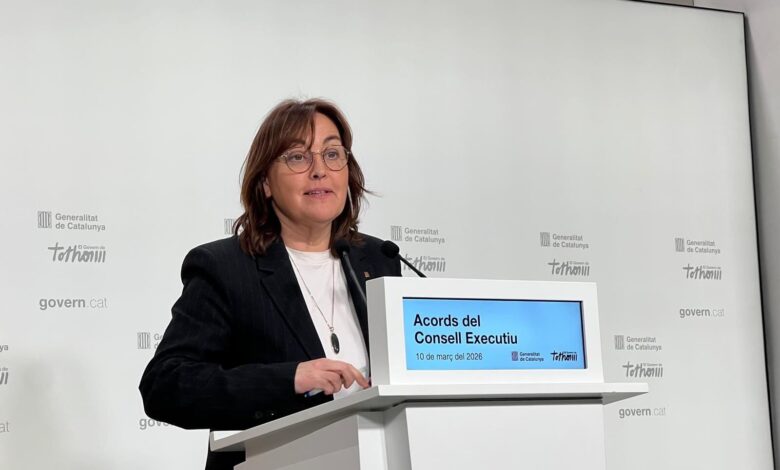
IFERCAT will fund the project development, with total investment reaching €5.46 million, spread over several years. Officials state that this funding will not impact ongoing Rodalies maintenance costs, despite persistent disruptions and passenger complaints. According to Territorio chief Silvia Paneque, if such projects had been implemented earlier, the current Rodalies problems could have been avoided. Now, regional authorities must address both modernization and stabilization of the existing network simultaneously.
Freight flows and new routes
In recent years, rail freight volumes in Catalonia have grown significantly. This is due to the modernization of the Corredor Mediterráneo and an increased number of trains passing through Tarragona, Penedès, and Vallès. The new ETC corridor is expected to become a key element in redistributing traffic flows, easing pressure on overloaded routes and improving logistics efficiency. According to russpain.com, such infrastructure projects can change the economic dynamics of entire regions, opening up new business opportunities and reducing delivery times.
At the same time, authorities are still discussing whether to extend free travel on Rodalies, as the current measure expires on the 15th of this month. Negotiations with RENFE remain challenging: the region insists on keeping the benefits until the service quality reaches an acceptable level. Government representatives emphasize that a decision on the extension will be made in the coming days, based on the current situation on the line.
Political nuances and personnel changes
Management of the railway network remains a subject of debate between regional and national authorities. The recent resignation of Rodalies director Josep Enric García Alemany sparked discussion about his possible appointment at the new RENFE bus company. Catalan officials declined to comment on personnel decisions, stating only that responsibility for appointments lies with RENFE. According to El Pais, regional officials have expressed dissatisfaction with service quality and insufficient attention to the technical condition of the network.
Against this backdrop, interest in transport policy in Spain remains high. Issues of railway infrastructure modernization are being discussed not only in Catalonia but also at the national level. For example, recently US authorities expressed concern about EU migration decisions and their impact on transport flows, highlighting the need for a comprehensive approach to developing logistics and infrastructure.
Context and outlook
The Eje Transversal Ferroviario project has already been included in Catalonia’s strategic railway development plan for 2025–2030. The Orbital line, also under consideration, aims to further improve regional connectivity. According to El Pais, railway network modernization is happening alongside the renewal of other transport corridors, which could bring significant changes to Spain’s transportation structure overall.
In recent years, Spain has invested heavily in developing its railway infrastructure, particularly in regions with high population density and industrial activity. In 2024, the expansion of the Corredor Mediterráneo was completed, boosting capacity and speeding up cargo transport between ports and inland areas. Similar projects are underway in Valencia and Andalusia, where rail modernization is driving export growth and supporting new logistics hubs. As a result, Spain’s transport system is becoming more flexible and resilient to external challenges, which is especially important amid a shifting economic landscape and increased international competition.