The management of the Rodalies railway network has once again become a source of heated political conflict in Catalonia. Decisions in this area directly impact the daily lives of millions of residents in the region, as well as public trust in the authorities. Recent events in the Catalan Parliament have highlighted the gravity of the issue: for the second time this year, MPs have expressed no confidence in Territorial Affairs Councillor Sílvia Paneque, accusing her of ineffective leadership and lack of transparency during the Rodalies crisis.
The situation escalated after opposition parties—ranging from ERC and Junts to PP and CUP—united in demanding Paneque’s immediate resignation. Even though the PSC abstained, the majority supported a leadership change. During the debate, the Catalan government faced accusations of failing to handle the crisis and lacking clear alternative plans for passengers affected by Rodalies disruptions.
Political disagreements
Parliamentary debates took place in a tense atmosphere. Representatives from Junts drafted the harshest resolution, emphasizing not only Paneque’s unsuccessful crisis management but also urging President Salvador Illa to dismiss her immediately. However, the government made it clear that this option was not being considered, despite opposition pressure.
During the discussion, there were calls for a unified national pact on Rodalies, alongside accusations that slogans like ‘Renfe out of Catalonia’ do not address the root issues. Left-wing parties, in turn, insisted on expanding the Catalan government’s powers over railway management, believing this to be the only way to improve service quality.
Criticism and proposals
PP representative Juan Fernández was especially outspoken, acknowledging past government mistakes but emphasizing that the current crisis is the result of systemic failures. According to him, Rodalies has become a symbol of the current administration’s incompetence. The anti-capitalists from CUP were also emotional, stating that delaying resignations is an admission that chaos is the norm, and that risks to passengers and staff were evident long before the recent accidents.
Meanwhile, Junts accused the government of deliberately maintaining the contract with Renfe, while ERC responded with accusations of populism and called for Rodalies to be fully transferred under Catalan control. Comuns representative Lluís Mijoler advocated for increased investment and staffing, as well as reforming the management system to eliminate overlapping responsibilities between Renfe and Adif.
Paneke’s response and unexpected moments
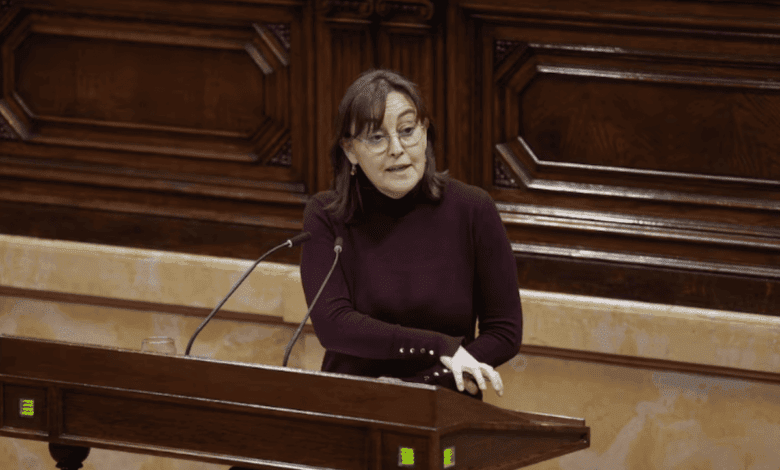
Silvia Paneque herself tried to shift the focus toward the need for national dialogue and joint problem-solving. She emphasized that the priority remains accelerating investment and improving coordination between Renfe and Adif management centers. Paneque also noted that steps have already been taken to increase railway sector jobs in Catalonia.
During her speech, an unexpected incident occurred: an ES-Alert emergency notification about the lifting of restrictions due to strong winds interrupted the session. Paneque responded to the situation with humor, and her colleagues joined in the joke. In conclusion, she reminded residents to remain cautious on the streets due to possible consequences of the bad weather.
The surge of political tension surrounding Rodalies echoes recent national events, when after the Adamuz accident, the opposition also demanded immediate personnel decisions and questioned the government’s actions. Details about how this scandal unfolded and what demands were made of the Prime Minister can be found in the article on the political pressure following the tragedy in Adamuz.
In recent years, issues of transport infrastructure and railway network management have repeatedly sparked heated debates in Spain. Crises in Rodalies and similar situations in other regions have led to widespread passenger discontent, strikes, and demands for reform. In 2025, new funding schemes and the transfer of powers were discussed, but no systemic changes have yet occurred. Such conflicts highlight the acute importance of effective transport management and how quickly political disagreements can escalate into large-scale public debates.