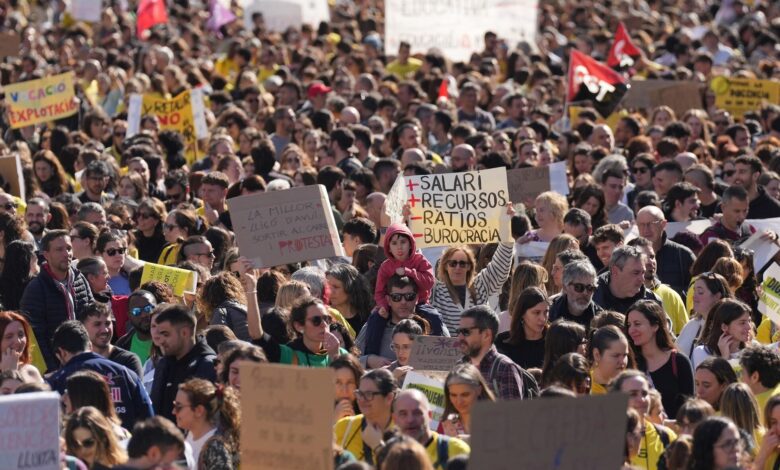
A new round of debate over education funding is intensifying in Catalonia. Issues surrounding teachers’ salaries and the construction of new schools have become crucial for the region’s future. Decisions made now will directly impact the quality of education and stability in schools, as well as shape the relationships between political parties and the government.
Pressure on the opposition
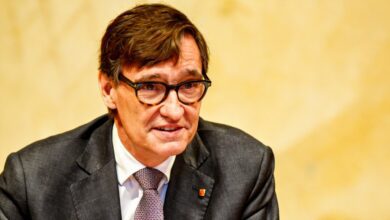
At the meeting of the education committee in the Catalan parliament, government representatives once again tried to persuade the ERC party to back the 2026 budget proposal. In the absence of the relevant minister, Albert Dalmau presented the report, emphasizing that without new financial measures it would be impossible to provide adequate pay for teachers and prevent further strikes. He directly linked salary increases to the approval of the budget, noting that the current financial plans are outdated and no longer meet today’s challenges.
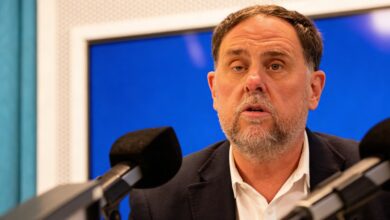
However, ERC representatives remained steadfast. They stressed that before discussing new agreements, the authorities must fulfill previous promises. MP Irene Aragonès reminded the parliament that trust cannot be built on unkept commitments, and responsibility for past decisions cannot be shifted onto others.
Budget details and disputes over figures
According to El Pais, the budget proposal allocates €7.954 billion for education, which rises to €8.356 billion when taking into account additional European funds and contributions from the Telecommunications Center. However, the increase in spending is a matter of debate: according to the ministry, the rise is 24% compared to 2023, but compared to the previous proposal, the difference is only 14%. Representatives of the People’s Party (PP) argue that the actual growth is even lower, noting that by November 2025, actual spending had already reached €8.148 billion.
Most of the new funding will be used to consolidate ongoing initiatives: creating 900 new preschool slots, hiring 4,100 teachers since 2023, as well as funding inclusive programs and supporting school cafeterias. Specifically, €162 million will go towards preschools, €253 million will fund scholarships for 214,000 students who use school cafeterias, and nearly 47,000 will be allocated for transportation expenses. Inclusive education will receive €376 million, with €75 million earmarked for adaptation classes for new students.
Investments and new mechanisms
Special attention is given to investments: €258 million has been allocated for these purposes. For the first time, a dedicated €100 million fund has been created for joint projects with municipalities. Local authorities will now be able to independently conduct tenders for school repairs and modernization, with the government reimbursing the costs. Subsidies range from €10,000 to €2.2 million and are intended for replacing outdated elements, improving thermal insulation, and preparing project documentation.
However, the effectiveness of such investments is being questioned by the opposition. Representatives of PP and Vox pointed out that in recent years, the implementation rate of educational investment plans has not exceeded 40–50%. This further erodes trust in the new promises and fuels debates about the transparency of fund distribution.
Party reactions and demands
Most opposition parties criticized the proposed budget. Junts expressed dissatisfaction at not being invited to the negotiations and noted that expenditures were too left-leaning. MP Anna Erra emphasized that the share of investments in GDP is far from the desired 6%, and the issue of funding for private schools remains unresolved.
ERC believes that budget resources are limited and call not just for a continuation of past policies, but for real transformation. In contrast, Comuns urged both sides to find a compromise, reminding everyone about the urgent need to improve education quality and tackle underachievement. Their proposals include expanding school libraries, increasing the number of psycho-pedagogues, making social educators permanent staff, supporting second-chance centers, and allocating additional funds for climate control in educational institutions.
The issue of education funding and fulfilling budget commitments is becoming increasingly pressing amid other economic debates in Spain. For example, recently the business community demanded changes in how funds are distributed among regions, which also sparked heated debate among politicians and experts.
In recent years, disputes over education budgets in Spain have become routine. Similar debates erupted in Madrid in 2024, when teachers’ unions called for salary increases and better working conditions. At the time, authorities also linked increased spending to support from the opposition, while discussions about new investments were accompanied by criticism over the poor effectiveness of previous programs. In 2025, Valencia debated school funding reform, leading to the temporary suspension of several projects. Such situations show that the issues of resource allocation and fulfilling commitments remain some of the most contentious in Spanish politics.