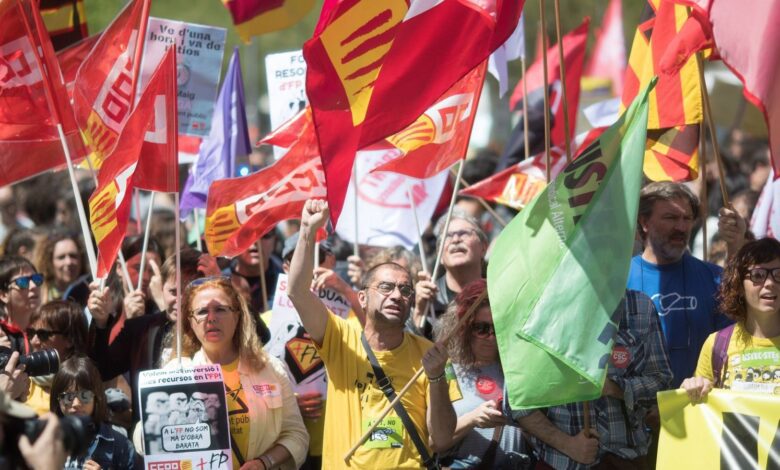
Catalonia’s education system stands on the brink of change as thousands of teachers take to the streets demanding immediate reforms. The strike, announced for February 11, is a response to the prolonged deadlock in negotiations between unions and the regional education ministry. For locals, this is more than just a wage dispute—it’s about the quality of education, working conditions, and the future of an entire generation of students.
In recent weeks, tensions in schools have only intensified. Teachers are openly voicing their discontent: their demands are ignored and promised reforms are postponed. The cancellation of the latest round of talks proved to be the last straw. Unions representing the majority of education workers unanimously agreed: it’s time for decisive action.
Reasons for Escalation
The main stumbling block is pay levels. Catalan teachers receive some of the lowest salaries in the country, sparking outrage and a sense of injustice. But the financial issue is only part of the problem. Teachers are also demanding smaller class sizes to improve education quality and give more attention to each student.
Other demands include increased funding for inclusive programs, less paperwork, and the creation of stable teaching teams. Teachers insist that without these changes, real progress in schools is impossible. They believe the current system is overloaded and unable to meet the challenges of the times.
Protest Routes
On the day of the strike, demonstrations will take place in all major Catalonian cities. In Barcelona, a column of teachers will start at Jardinets de Gràcia at 12:30 and head toward the Department of Education building. In Girona, protesters will gather at Pont del Dimoni at noon; in Lleida, at Plaça Ricard Vinyes at 12:30; in Tarragona, at Plaça Imperial Tarraco at 11:30; and in Tortosa, at Plaça de Barcelona at 12:30.
Organizers expect a strong turnout, as all major unions in the sector have joined the strike, including USTEC-STEs, ASPEPC-sps, CCOO, CGT, and UGT. They emphasize that these protests are not a one-off event but the beginning of a large-scale campaign for education reform.
Next Steps
The unions have already warned: if the authorities do not make concessions, a new wave of strikes will follow in March. A week of continuous protests is planned from March 16 to 20. Teachers insist that only public pressure can move the situation forward.
Catalan authorities have yet to make any public statements regarding their willingness to enter renewed negotiations. Meanwhile, parents and students are anxiously following the developments, fearing disruptions to the academic process and further escalation of the conflict.
Context and Consequences
In recent years, Spain has repeatedly faced mass strikes in the education sector. In 2024, similar protests took place in Madrid and Valencia, where teachers also demanded higher salaries and better working conditions. At that time, the authorities made partial concessions, but systemic changes could not be achieved. In Catalonia, the situation is complicated by a history of underfunding and specific regional political factors. Such actions often become a catalyst for discussions about broader reforms affecting not only schools but the entire social sphere. The issue of fair wages and the quality of education remains one of the most pressing for Spanish society.