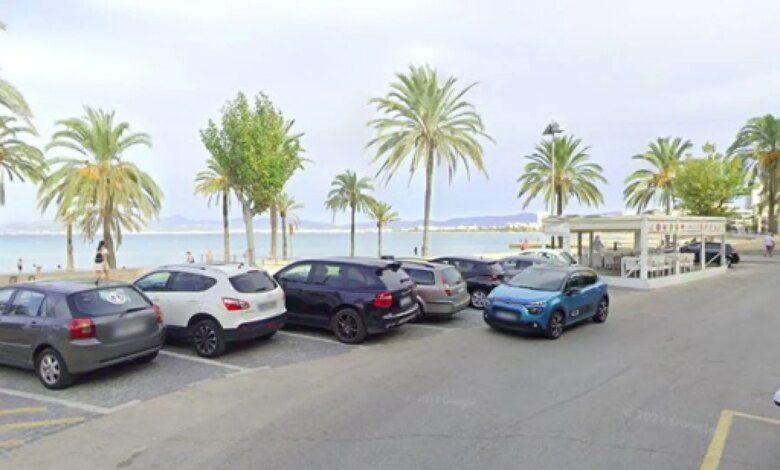
August is traditionally considered one of the most popular months for vacations in Spain. Many people travel by car, but during this period, parking problems become especially acute, particularly in large cities and popular resort areas.
Drivers often do not pay sufficient attention to local parking regulations, assuming that fines are unlikely. However, violating the rules can result in significant financial losses — fines can reach several hundred euros.
In Madrid, for example, the operating hours for paid parking under the Estacionamiento Regulado (SER) system change in August. Payment is only required from 9:00 to 15:00, while on weekends, holidays, and Saturdays after midday, street parking is free. Failure to display a ticket or overstaying the paid parking period is punishable by a €90 fine.
Additionally, the capital has a restricted zone for vehicles without an environmental label (Zonas de Bajas Emisiones, ZBE). Cars with an A category are not allowed to enter or park in most areas unless they belong to local residents. Violating this rule results in a €200 fine.
Parking in prohibited areas, such as double lines, loading and unloading zones outside permitted hours, as well as on sidewalks and pedestrian crossings, is considered a serious offense and carries a €200 fine.
During the summer months, parking issues are particularly acute in coastal areas and natural parks. The Coastal Law (Ley de Costas) prohibits leaving vehicles on the sand and in access areas to the seashore. Fines here start at €50 and can reach up to €150 depending on the municipality.
If parking takes place in protected natural areas, such as ZEPA (Special Protection Areas for Birds) or national parks, fines can be significantly higher—up to €6,000.
In some regions, such as the Valencian Community, parking in natural parks with access control requires a reservation in advance. Failure to follow this rule can also result in hefty fines.
Many municipalities in tourist areas expand paid parking zones and extend tariff hours during the summer to cope with the influx of vehicles. This demands extra attention and planning from drivers.
To avoid fines and save time, it is recommended to book parking spaces in private facilities in advance. This not only guarantees a spot for your car but also helps avoid extra expenses associated with searching for street parking.