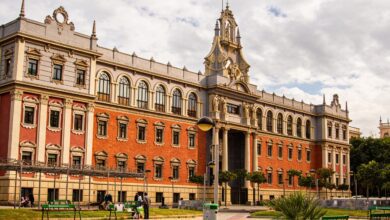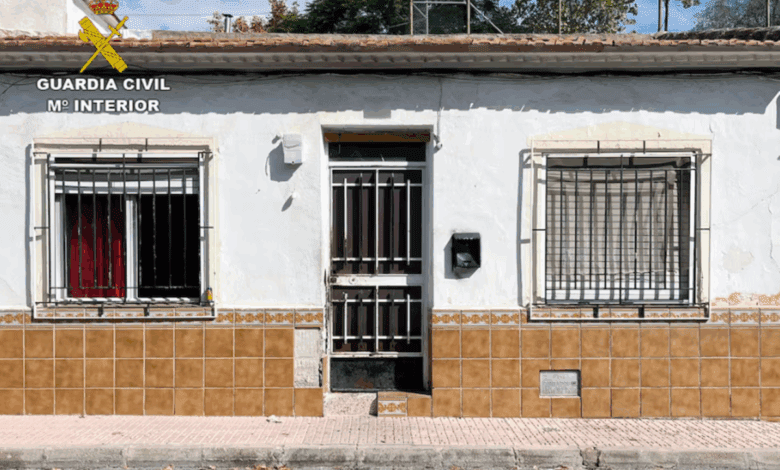
Jesús Nebreda, a resident of central Madrid, was finally able to return home after seven long months. His apartment on plaza de Santo Domingo was put at risk in April when the ceiling in his living room suddenly collapsed. The cause was illegal construction work carried out in a hostel one floor above, which was operating without a permit. Despite the serious incident and an official order to cease operations, the hostel continued welcoming guests until November.
The hostel owner, an entrepreneur in the hospitality industry, had been carrying out renovations without official authorization. As a result, wooden beams between the floors were damaged by moisture and overloaded by additional structures. Notably, the hostel’s floor was thickened to accommodate new heating pipes, creating critical stress on the ceilings below. On the day of the collapse, Jesús was asleep in the living room—miraculously, no one was injured.
A long wait
Although city officials ordered the closure of the hostel at the start of 2024, its doors remained open. The case only became widely known after the story was covered in the media. That same day, officials explained that the delay was due to ongoing legal proceedings: the owner had appealed the closure order. However, just a few hours later, enforcement proceedings began, and on November 19, the premises were sealed.
The temporary ceiling reinforcement in Nebreda’s apartment is still being held up by supports installed by firefighters. He still can’t return to his home, though he feels some relief now that the dangerous property has finally been closed. The next step is a major renovation, which requires the consent and financial participation of all the building’s residents.
Dispute with the owner
The hostel owner refuses to acknowledge responsibility for the incident. He claims the collapse is unrelated to his activities and does not intend to compensate for the restoration costs. The residents will have to raise funds for repairs on their own, and Nebreda is already preparing a lawsuit to recover the money spent on emergency measures.
Ten new rooms and as many bathrooms were installed in the hostel. According to experts, it was this work that caused the structural damage. Moisture and additional weight weakened the wooden beams, leading to the accident.
The problem of illegal hostels
The incident on Plaza Santo-Domingo is just one of many similar cases in Madrid. By the end of 2024, the capital had more than 15,000 illegal tourist apartments. Nine out of ten listings on popular platforms lacked a license and did not meet safety standards. Over the entire year, city authorities issued only 92 fines, and there were just over a thousand officially registered and inspected apartments.
Experts and members of the public note that such situations are becoming increasingly common. Insufficient oversight and slow response from authorities result in ordinary residents being put at risk by the presence of illegal hotels in their buildings. The issue of safety and accountability for these incidents remains unresolved.