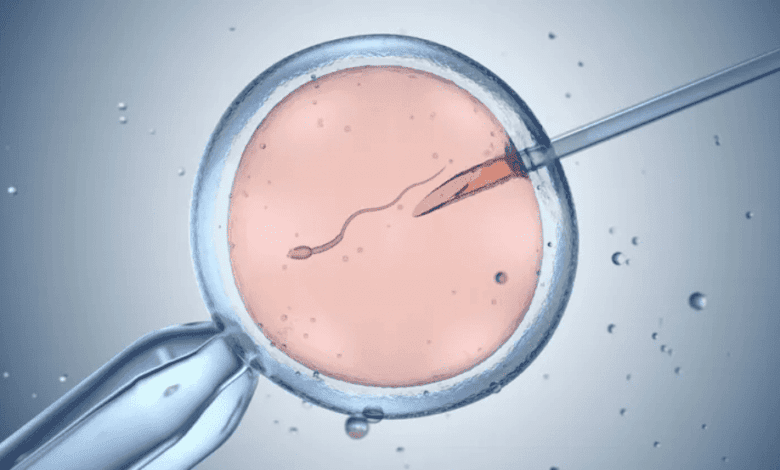
Spain is facing a growing scandal over sperm donation after it was revealed that dozens of children were conceived using material from a donor carrying a dangerous genetic mutation. The case involves a man whose sperm samples were distributed throughout Europe, resulting in at least 35 children being born in Spain. Some of these children are already experiencing serious health problems.
The donor, identified as number 7069, began donating sperm in Copenhagen back in 2005. At the time, standard medical tests did not detect any abnormalities. However, years later, it was discovered that he carries the TP53 mutation, associated with Li-Fraumeni syndrome—a rare hereditary disorder that significantly increases the risk of various cancers in offspring.
The Spanish connection
In Spain, this donor’s sperm was purchased by four clinics. Official data show that 35 children were conceived using his samples: ten were born to Spanish families, while the rest were born to women who had come from other countries for the procedure. Spanish law limits the number of families who can use a single donor’s sperm, but in this instance, the cap was exceeded.
Three of the children born in Spain have already tested positive for the dangerous mutation. According to doctors, one of them is ill. Parents are demanding explanations and stricter oversight of sperm banks.
A European issue
The issue is not limited to Spain. In total, nearly 200 children across Europe have been born from this donor. The highest number of cases has been recorded in the Netherlands and Belgium, where national limits on the number of families using one donor’s biomaterial have also been exceeded. In some countries, such as Greece, the exact number of children is still unknown, but there are already confirmed cases of the mutation among several infants.
Samples from this donor were also used in Germany, Ireland, Poland, and several other countries, although the number of children conceived there is much smaller. In some cases, children have already been diagnosed with cancer, raising concerns among specialists and parents.
Gaps in regulation
The scandal has exposed serious shortcomings in the international regulation of sperm donation. Despite national restrictions, the lack of a unified system for oversight and information sharing between countries has allowed a single donor to be used by dozens of clinics across Europe. Representatives of donor banks admit they did not always receive complete information from clinics and note a rise in so-called ‘fertility tourism,’ where women travel abroad to undergo the procedure.
As a result, many families found themselves in situations where their children were at risk of developing serious illnesses that no one had warned them about. There are now discussions about the need to create a pan-European donor database and to tighten oversight of clinic operations.
Reaction and consequences
In Belgium, an investigation has already been launched against one of the largest clinics that used this donor’s sperm. Other countries are also considering stricter legislation. Parents are demanding transparency and full disclosure of all potential risks associated with donor material.
In Spain, the situation has sparked widespread public debate. There are calls to review existing regulations and introduce additional screening measures for donors. Many families affected by the issue are joining together to protect their rights and their children’s health.
If you weren’t aware, the European Sperm Bank is one of the world’s largest suppliers of donor biomaterial. The company has operated since 2004 and works with dozens of clinics across Europe. In recent years, the bank has repeatedly faced criticism for insufficient quality and safety controls of donor samples. After dangerous TP53 mutations were found to be transmitted, the bank announced a review of its procedures and stricter requirements for donors.