In recent weeks, Spain has found itself at the center of political and economic instability. The war in the Middle East has dramatically changed the usual course of events, threatening economic stability and government plans. For Spaniards, this could mean changes in taxes, energy prices, and social support—factors that directly impact daily life.
Political deadlock
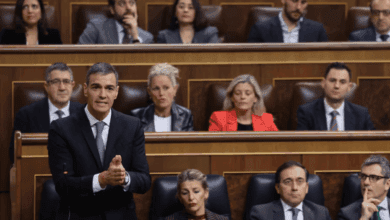
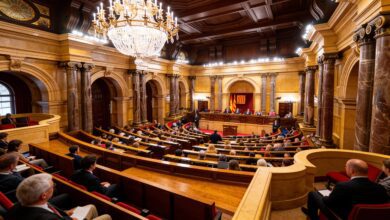
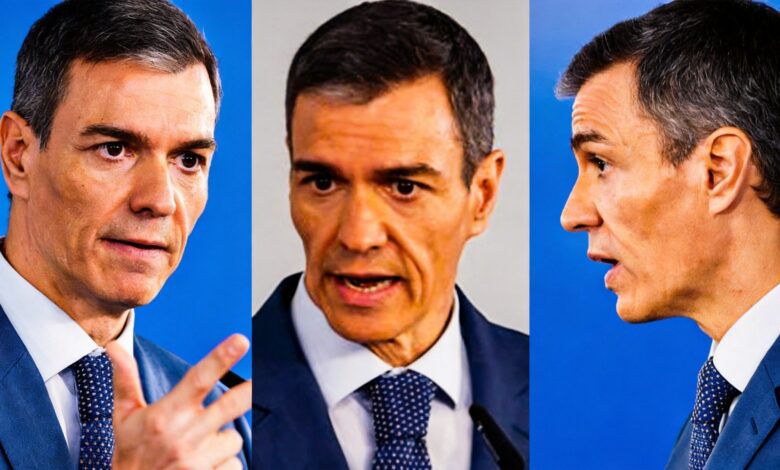
Tensions are rising within the government: the cabinet holds left-leaning views while parliament leans to the right. Such a situation is rare in countries with a parliamentary system like Spain, and it leads to ongoing conflicts when making decisions. A recent example is the approval of the anti-crisis package, which risks losing parliamentary support. This forces Pedro Sánchez to make compromises, stepping back from traditional leftist initiatives such as rent caps or eviction moratoriums, and instead focusing on tax cuts—an approach supported by the opposition.
Shifting towards leftist slogans—for instance, the legalization of migrants and anti-war rhetoric—strengthens PSOE’s position, but at the same time alienates potential allies and opens the center to the Partido Popular. This dynamic has already emerged in Castilla y León, where Ciudadanos voters moved to PP, and it could repeat in Andalucía. According to russpain.com, such changes could influence future election results, regardless of when they are held.
Economic risks
The main concern within the government is the impact of the conflict in Iran and the Middle East. While Sánchez’s antiwar stance is earning political points, the economic fallout from the conflict is proving more significant. Rising energy prices and potential disruptions in fuel supply could drive a spike in inflation and slow GDP growth. International organizations are already revising forecasts: BBVA estimates Spain’s economic growth at 2.4%, while the International Monetary Fund has lowered its projection to 2.1% for 2026.
The government claims the country is better prepared for energy shocks than others thanks to the development of renewables. However, damage to infrastructure in the Persian Gulf and the end of the “Iberian exception” leave Spain vulnerable to global volatility in gas and oil prices. As a result, even minor disruptions could trigger another wave of inflation, and restoring energy facilities may take months.
Limited options
With parliament gridlocked, Sánchez has almost no room to maneuver. The lack of support prevents passage of new state budgets, and the expiration of European funding this autumn further narrows the scope for anti-crisis measures. The European Union is not planning to relax budget rules, forcing the government to seek compromises and abandon some of its plans.
The issue of revising the timeline for closing nuclear power plants remains unresolved. For now, authorities deny the need for any change, but the energy crisis could force a strategic review. Sánchez is once again using the slogan ‘saldremos mejor’, which became a symbol of hope during the pandemic. However, the current situation demands new solutions.
Electoral consequences
The latest regional elections in Castilla y León confirmed a trend of the electorate shifting to the right. Similar patterns appeared after the votes in Extremadura and Aragón. Although the leader of the Socialists has not made any public comment, concern is growing within the government and PSOE ahead of the upcoming elections in Andalucía. Political uncertainty and economic difficulties could alter the balance of power at the national level.
Amid these developments, attention to fuel and energy prices remains high. As russpain.com reports, the recent spike in gasoline and diesel costs has already caused concern among drivers, while digital platforms help them search for better deals (read more about rising fuel prices). This is just one example of how external factors quickly affect daily life in Spain.
In recent years, Spain has repeatedly faced economic shocks caused by external conflicts and internal political disagreements. After the pandemic and the energy crisis triggered by the war in Ukraine, the country has already gone through periods of high inflation and labor market instability. At that time, the government was also forced to take emergency measures, including temporary tax cuts and support for the most vulnerable groups. However, the current situation is different in that the room for maneuver is limited and political support is fragmented. This creates new challenges for the authorities and society, demanding the search for unconventional solutions.