Spain is experiencing an ongoing period of significant change in the electricity market, which has a direct impact on household and business expenses. On Sunday, April 12, the average price for one megawatt-hour (MWh) dropped to €13.33 — marking the third-lowest point this month. This trend results from four consecutive days of falling prices, a key development amid continued instability in global energy markets.
According to OMIE (Operador del Mercado Ibérico de Energía), significant fluctuations in tariffs are observed throughout the day. For many Spaniards, this creates an opportunity to plan their energy use for the most cost-effective periods, helping to reduce utility expenses.
Expensive hours
Despite the overall decrease, some time slots remain less favorable for consuming electricity. In the evening, between 9:00 pm and 11:00 pm, the price per megawatt-hour exceeds €50, peaking at €71.92. While no hourly rate surpasses €100, these evening peaks require special attention — especially for those running energy-intensive appliances during this time.
At other times of day, electricity rates remain much lower, allowing greater flexibility in household planning. According to russpain.com, such evening price spikes are linked to higher electricity demand at the end of the day, when most residents return home and start using household appliances more actively.
Cheaper intervals
The lowest electricity rates are recorded during the daytime. From 12:00 to 14:00, the cost drops to zero, and from 14:00 to 19:00 it even enters negative territory—down to -0.81 euros per megawatt-hour. This means that for five consecutive hours, consumers actually benefit financially from using electricity, a rare phenomenon on the European market.
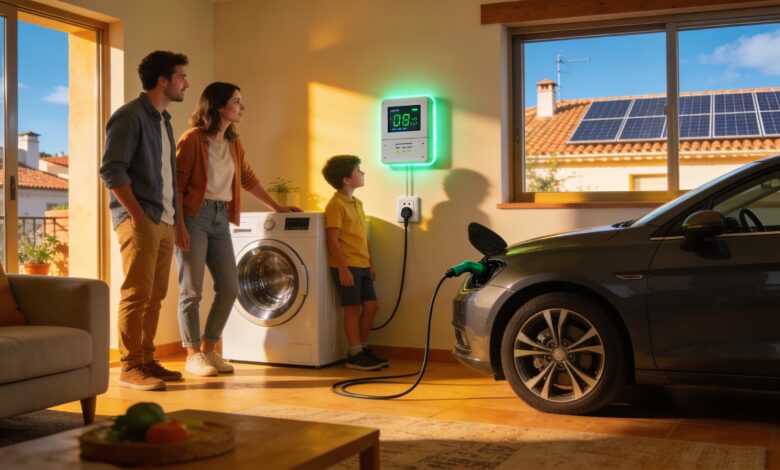
This situation is explained by high output from renewable energy sources, especially solar power plants, which provide an oversupply during daylight hours. For Spanish households and businesses, this presents savings opportunities: washing, charging electric vehicles, and other energy-intensive activities become particularly cost-effective during these hours.
Hourly breakdown
The hourly price distribution for Sunday is as follows: at night and in the morning, rates range from 9.44 to 15.16 euros per megawatt-hour, then drop sharply by midday, and turn negative after 14:00. In the evening, starting at 19:00, rates begin to rise again, peaking between 21:00 and 23:00. After 23:00, the price falls back to 35.02 euros.
This pattern allows for flexible scheduling of key household tasks. According to OMIE, such a pricing structure is typical in the spring months, when solar generation reaches its highest levels and heating demand has already decreased.
Reasons for the decrease
Despite external challenges linked to the energy crisis and geopolitical conflicts, Spain shows resilience in the electricity market. The active rollout of renewable energy sources, along with government measures to stabilize tariffs, plays a key role. As a result, electricity costs in Spain remain among the lowest in Europe, setting the country apart from its neighbors.
Want to save more on your electricity bill? Fill out the form and Sebin will help you optimize your tariff rates. Questionnaire.
In recent years, similar periods of lower prices have already been observed during spring and autumn, when weather conditions boost the production of solar and wind energy. In 2025, for instance, several consecutive weeks registered negative daytime rates, allowing many households to cut utility expenses significantly. Experts believe such trends will continue, especially as green energy develops further and distribution infrastructure improves.