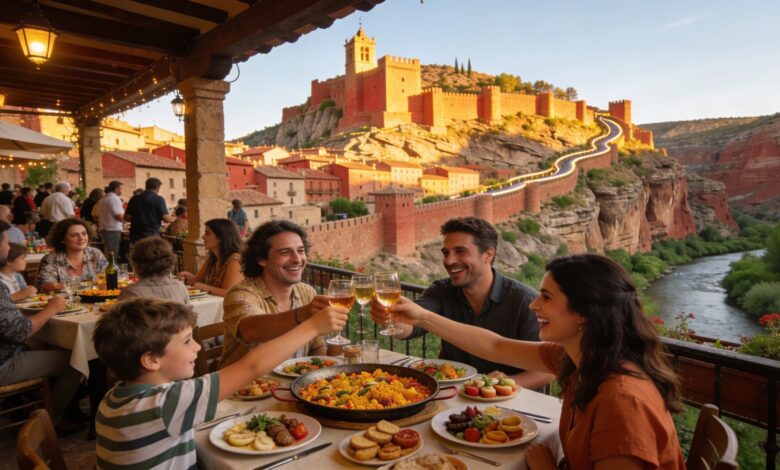
The spring holidays in Spain are coming to an end, directly shaping the plans of thousands of families seeking new destinations for leisure and travel. In 2026, Albarracín, a small town in Aragón, is drawing particular attention after unexpectedly becoming a focal point on tourist itineraries. Its medieval walls and unique architecture not only inspire admiration but also spark discussions about new trends in domestic tourism. For Spaniards, this is more than just a change of scenery—it’s a chance to discover lesser-known corners of the country where history and modern life intertwine in every alley.
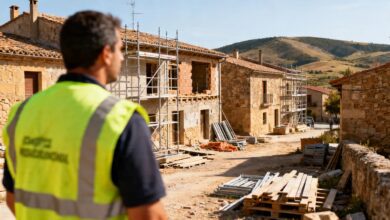
Demand for destinations like Albarracín is growing, thanks to the blend of cultural heritage and natural landscapes. This town, perched above the Guadalaviar River, has long been considered one of Spain’s most picturesque. This season, travel agencies are noting a rise in guided tours led by professionals such as Isabel Gómez, who ensure guests don’t miss any details. According to RUSSPAIN.COM, these routes are especially popular among families with children, as they combine educational experiences with active recreation.
Family holiday formats
Family offers are becoming an important part of the spring season. The Tour and Kids program, overseen by María Salinas, expands the list of summer camps and educational schools. More and more parents are planning their holidays in advance to choose the most interesting and safe options for their children. This year, the focus is on camps with an environmental focus and creative workshops, reflecting the overall trend towards mindful leisure and the development of new skills among the younger generation.
At the same time, bookstores such as Patagonia in Valencia are offering curated selections of travel literature. Bookseller Ángel Saez notes a significant rise in interest for guidebooks and travel novels. This is driven by Spaniards’ desire not only to visit new places but also to understand their history and culture more deeply. Books are becoming an essential part of travel preparation, and sometimes even the main source of inspiration for choosing a route.
Gastronomic discoveries
Gastronomy remains one of the main reasons for traveling across Spain. Another season of Cuina Oberta has started in Valencia and will run until April 19. This year, organizers have recorded a record number of participants: 75 restaurants, including eight Michelin-starred and twelve new establishments. The event attracts not only locals but also visitors from other regions eager to discover contemporary Valencian cuisine through special offers.
Tono Franco, managing director of Fundación Visit Valencia, notes that the high interest in Cuina Oberta is due to its variety of formats and broad accessibility. Restaurants offer tasting menus, giving guests a chance to sample both traditional dishes and creative takes on classics. This approach promotes gastronomic tourism and supports local producers.
Tourism and cultural trends
Domestic tourism in Spain continues to evolve. Travel to small towns and participation in local festivals are growing in popularity. This is reflected not only in the increase in bookings but also in active discussions within the professional community. For example, a recent court case related to public statements about migration and the limits of debate sparked widespread attention and debate on the role of cultural traditions in contemporary society. More on the public response to such events is available in the coverage of the high-profile case in Madrid — court case on a tweet about the deportation of priests.
In recent years, Spain has seen a steady rise in interest in domestic travel, especially during national holidays. Albarracín and other historic towns have become magnets for those seeking authentic experiences and new routes. Gastronomic festivals like Cuina Oberta help boost local businesses and set new standards of service. Family vacation programs and educational camps reflect a growing trend among parents to invest in their children’s development through travel and cultural activities. These trends are shaping the modern face of tourism in Spain, making it more diverse and focused on the quality of experience.