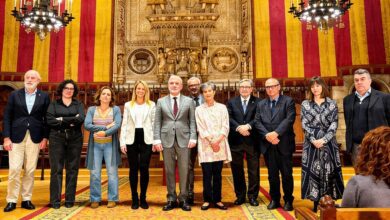
Catalan sport is on the brink of change: the regional authorities are preparing to launch a specialized body that will support and promote local sports federations at the international level. This decision is part of a political agreement between PSC and ERC, underscoring its strategic importance for the future of Catalan sport. The new structure is expected to begin operating before summer, with its creation set to be officially approved at a meeting of the Generalitat of Catalonia.
According to El Pais, the details of the office’s operations are currently being discussed between the two parties. In the coming days, they plan to finalize the agreement’s text and decide on the format for its public presentation. It is already known that the office will report to the Consell Català de l’Esport and receive initial funding of at least €100,000. If budget negotiations are successful, this amount could increase. The organization will have two to three employees, and one of the Consell’s specialists will be appointed as its head.
Supporting the federations
The main task of the new structure is to provide institutional support to federations seeking to enter the international arena. Special attention will be given to organizations that were established before Spain’s national federations. This reflects the region’s historical and social context, as outlined in the political agreement between PSC and ERC. At the same time, current legislation requires that such federations already have experience participating in international organizations.
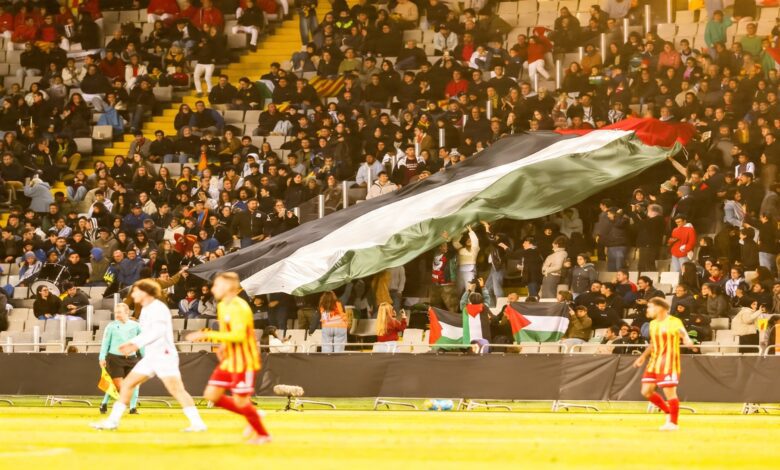
The Catalonia Department of Sports has already informed the Consejo Superior de Deportes (CSD) of its plans. In the past, CSD’s position played a decisive role in the international recognition of the Basque Pelota Federation. Currently, Catalan federations are represented in international bodies in sports such as korfball and pitch and putt, but in popular disciplines their participation is limited to friendly games. For example, the most recent football match of the Catalan national team was held in November 2025 against Palestine at the Montjuïc stadium.
Political context
The creation of this office was one of the main demands of ERC during the formation of the new Catalonia government. The issue was repeatedly raised by the republicans, especially in the late 1990s and early 2000s, when the movement for the recognition of Catalan national teams was at its peak. In recent years, the debate over the international status of Catalan teams has faded into the background, but now it is back on the political agenda. As El Pais notes, current authorities intend to fulfill all points of the political agreement, despite budget difficulties and delays caused by the February crisis.
The agreement states that support will be provided only to those federations genuinely interested in gaining international recognition. The authorities do not intend to impose participation but are ready to guide and assist those willing to embrace new challenges. Special attention is given to smaller federations, such as pelota, futsal, or hockey, for whom entering the international stage comes with additional financial and organizational difficulties.
Funding and prospects
Office funding may be increased if budget negotiations conclude in favor of the Republicans. However, the launch of the structure does not directly depend on the outcome of these discussions. According to russpain.com estimates, similar initiatives in other regions of Spain often faced bureaucratic hurdles, but in Catalonia, authorities expect a more flexible approach. Regional officials emphasize that the structure will develop as new resources become available and according to the interest expressed by the federations themselves.
In recent years, interest in international recognition for regional teams in Spain has grown significantly. For instance, in 2005, the Catalonia hockey federation gained international recognition, but this status was later revoked. Currently, Catalan teams continue to compete in international tournaments in certain sports, while in mainstream disciplines, their participation is limited to friendly matches. Other regions of the country are also discussing ways to expand their international presence, highlighting the relevance of this issue for all Spanish sports.
Amid these changes, it is worth noting that Spain’s women’s national football team recently played a decisive match against England, which proved crucial for leadership in the World Cup qualifying stage. More details about this event can be found in the article about the battle for leadership in the 2027 World Cup qualifiers. Events like these underscore the importance of supporting and developing sports structures at all levels.
Overall, creating an office to promote Catalan teams could serve as an example for other autonomous communities seeking to strengthen their position on the international sports stage. In the coming months, it will become clear how effective the new structure will be and what impact it will have on sports development in the region.