A new scandal is brewing in Brussels: Ursula von der Leyen has announced plans to implement the trade agreement between the European Union and Mercosur on a ‘trial’ basis. This decision comes despite attempts by radical parties in the European Parliament to block it. As a result, European farmers and livestock producers find themselves vulnerable—the agreement is going ahead without the protective measures initially promised to cushion the blow for the agricultural sector.
Attempts to halt ratification were made by members of Vox, ERC, and Sumar, who formed an unexpected coalition. However, their actions had the opposite effect: the agreement is moving forward without any extra safeguards, and negotiations to protect farmers have essentially stalled. Now the European market is opening up to products from Mercosur countries, leaving farmers without the support they counted on.
Political rift
This entire episode has become a real test for Europe’s political landscape. For the first time, the far right and far left joined forces for a single purpose—to block the trade deal. But their alliance proved ‘unnatural’ and backfired: instead of strengthening the position of farmers, they have weakened it. The agreement is coming into effect without the previously discussed protective mechanisms, and the chance of introducing them has been postponed indefinitely.
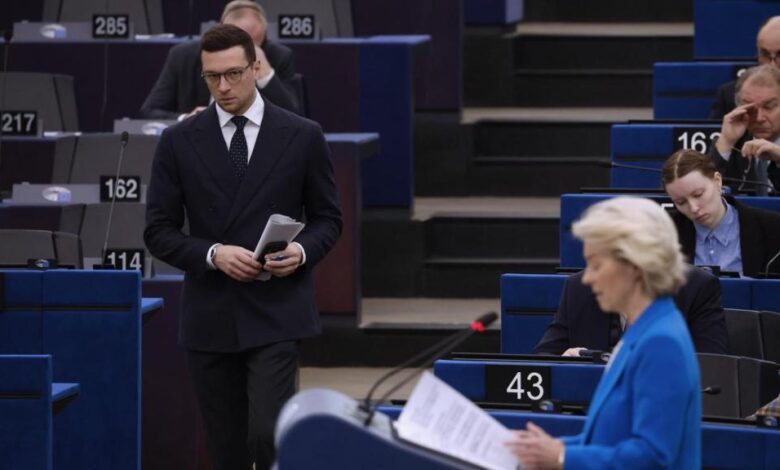
The European Parliament vote passed by a narrow margin. One of the resolutions, proposed by right-wing radicals, was rejected, while the initiative from the left and Greens passed by just ten votes. However, none of the resolutions were able to stop the process: the European Commission has already received authorization to immediately activate the agreement.
The French Factor
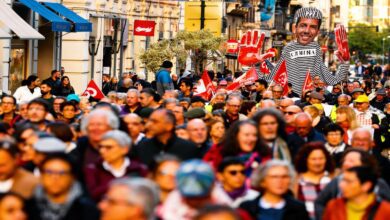
France took a firm stand against the agreement, fearing for the future of Francophone producers and the influence of the Spanish-speaking market. French politicians are fueling protests, and demonstrations continue in the streets. Nevertheless, their efforts failed to change the course of events: the European Commission has chosen not to wait for further discussions and is moving forward with the agreement now.
Within Mercosur, the situation is just as divisive: two governments have staunchly right-wing positions, while two are far-left. Despite their ideological differences, they managed to reach an agreement. Meanwhile, political tensions have only worsened within the European Union: Vox effectively betrayed its allies from Argentina, while Sumar went against the interests of Brazil.
Lost Guarantees
Not long ago, the European Commission planned to wait until June to revise the agreement and include additional safeguards. Among the measures discussed were quotas on duty-free imports, a €6.3 billion compensation fund, tighter border controls, and audits of producers from Mercosur countries. Revisions to the EU’s agricultural policy to restore support for farmers were also under consideration.
Now all these plans are at risk. The agreement moves forward without the agreed conditions, and any chance of implementing them is postponed for at least two years—until the European Court makes its decision. During this time, European farmers may face a flood of cheap products from South America without any tools to protect their income.
A market without rules
Opening up a market of 700 million consumers, mostly Spanish-speaking, looks enticing for major corporations. But for farmers and producers from Spain, France, and other EU countries, it means unfair competition. Discontent is growing within the European Union: many believe political maneuvering has turned into a disaster for agriculture.
Paradoxically, those who most loudly declared they would defend farmers have ultimately left them without support. Vox presents the situation as a victory, although in reality, their actions accelerated the agreement’s launch without guarantees. The left-wing and green parties, joining forces with nationalists, only succeeded in postponing talks about protecting farmers’ interests indefinitely.
The Spanish angle
The situation is felt especially acutely in Spain. A document circulated among European delegations made it clear: without approved safeguard measures, Spanish farmers and livestock producers are left in the most vulnerable position. The leader of Partido Popular, Alberto Núñez Feijóo, warned just ten days ago that supporting the agreement without guarantees was impossible. However, his warning went unheard.
As a result, the strategy agreed upon by the major parties to restore and expand support for farmers has collapsed. Now, farmers are forced to await a court decision while the market is already open to competitors from Mercosur. This entire episode is a clear example of how political ambitions and unexpected alliances can ultimately work against the very people politicians promised to protect.