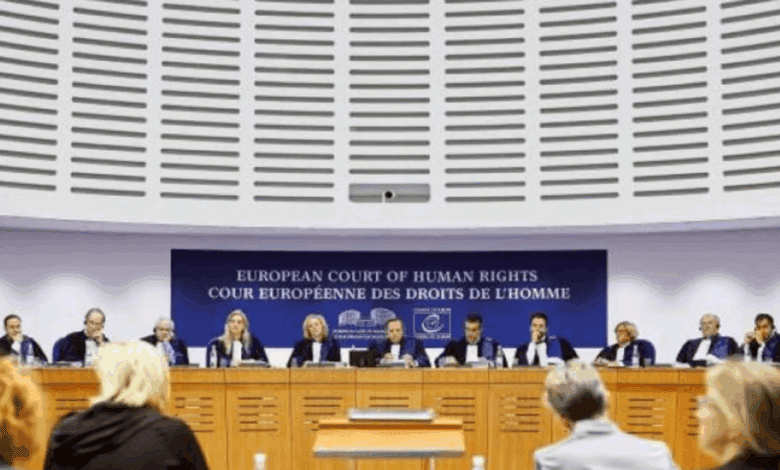
Spain continues to debate one of the most high-profile court decisions in recent years: the European Court of Human Rights has refused to halt the euthanasia of a 25-year-old Barcelona resident suffering from paraplegia. The case has sparked wide public interest as it concerns issues of personal autonomy, medical ethics, and the limits of family intervention in the decisions of adult patients.
The legal dispute began after the woman’s father tried to challenge the euthanasia permit granted by the Commission for Guarantee and Assessment of Catalonia in summer 2024. Although a lower court temporarily suspended the procedure, upon further review it ruled that the father had no standing to file a complaint, since his daughter is an adult and has not been declared legally incapacitated. Judges confirmed that all legal requirements for euthanasia had been met and that the patient’s decision was conscious and consistent.
Appeals and arguments from both sides
The woman’s father disagreed with the decision and appealed to the Supreme Court of Catalonia, which recognized his right to appeal but ultimately rejected the claim. Judges found no evidence that the patient lacked decision-making capacity, and claims regarding psychiatric diagnoses were not supported by medical reports. Throughout the proceedings, it was established that the woman had maintained her wish to exercise her right to euthanasia since April 2024, and this intention was not questioned.
The father then appealed to the Supreme Court of Spain, insisting that his daughter did not have a terminal illness or severe suffering, and that her consent was neither free nor informed due to psychiatric issues. However, the Supreme Court declined to hear the case, citing a lack of grounds to review the evidence. The final attempt to halt the process was made through the Constitutional Court, which also refused to consider the appeal.
Role of the European Court
After exhausting all national courts, the young woman’s father, supported by the legal organization Abogados Cristianos, turned to the European Court of Human Rights. The Strasbourg court received a request for urgent measures, but on March 10 rejected it, while reserving the right to review the main complaint later. This decision effectively cleared the way for the young woman to exercise her right to euthanasia, despite her family’s objections.
As RUSSPAIN notes, the case has sparked intense debate in Spanish society, where issues around the boundaries of personal freedom, medical responsibility, and the family’s role in decisions about life and death remain highly sensitive. The decision of the European Court could set a precedent for similar cases in the future.
Context and similar cases
In recent years, Spain has become one of the few European countries where euthanasia is legalized under strict conditions. Since the law came into effect in 2021, several cases have been challenged in court, but most rulings have upheld patients’ right to choose for themselves. In 2025, a similar case was discussed in Valencia, where the court also recognized the adult patient’s will as taking priority over the opinion of relatives. These ongoing proceedings continue to shape new legal and ethical practices in Spanish healthcare.