Fira de Barcelona closed 2025 with a historic financial result: the organization’s revenue reached 350 million euros, up 17% compared to the previous year. This growth was driven by expanded operations—as this year, Fira took over management of the Circuit de Catalunya racetrack for the first time, allowing it to attract additional large-scale events and increase revenue from new business lines.
Among the key events impacting the financial results were the Formula 1 Grand Prix and the MotoGP round, as well as other major events held at the Montmeló circuit. These projects alone contributed 13% of Fira’s total revenue. The organization’s management is confident there is still room for further growth, particularly through the development of new mobility solutions and the integration of major global congresses, such as the Mobile World Congress, at the racetrack venue.
Economic impact
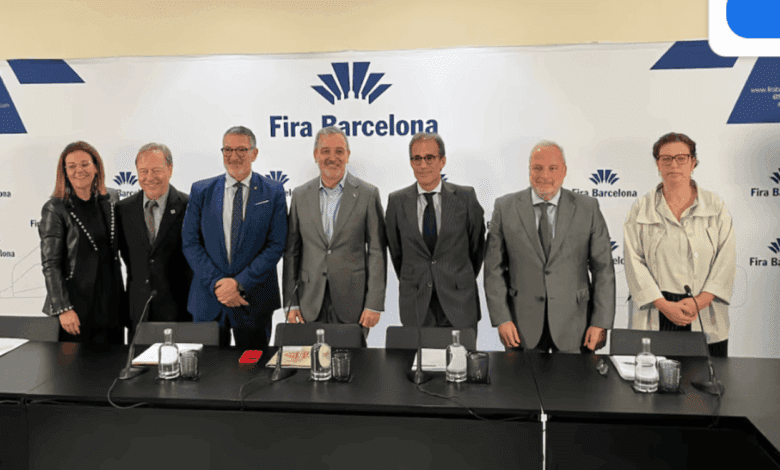
At the annual results presentation, representatives of the Catalonian government and Fira’s leadership emphasized that the organization’s success has a direct impact on the region’s economy. According to Enterprise Minister Miquel Sàmper, Fira de Barcelona has become a symbol of quality jobs and sustainable growth. He noted that stability and continued growth are ensured by a strong foundation of traditional exhibitions such as Alimentaria, Expoquimia, Saló de l’Ensenyament, Caravaning, Construmat, and Salón Náutico—events that have for many years formed the backbone of the exhibition center’s activities.
In recent years, international events have joined these projects and become Barcelona’s trademarks: the Mobile World Congress, Integrated Systems Europe (ISE), and the Smart City Expo World Congress. These events have helped Fira reach a new level and cement its reputation as one of Europe’s leading exhibition centers.
New directions
By taking over management of the Circuit de Catalunya, Fira de Barcelona plans to broaden its range of events beyond motorsports. According to Miquel Samper, this move will not only increase revenue but also diversify activities by attracting new audiences and partners. Fira board president Pau Relat called the current results “outstanding,” while CEO Constantí Serrallonga emphasized that the organization is experiencing one of the best periods in its history.
The recent move of The District exhibition to Madrid did not concern Fira’s management. According to them, such relocations are a normal part of market dynamics. Barcelona mayor Jaume Collboni stated that city authorities are already considering proposals to create a new specialized forum focused on social and affordable housing. In his view, this sector will develop rapidly in the coming years and has the potential to attract substantial interest.
Impact on the city
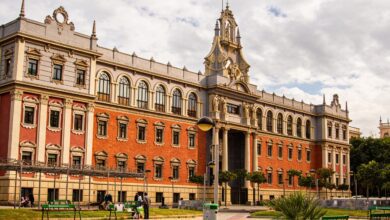
Fira de Barcelona has a significant impact on Catalonia’s economy: each year, the exhibition center generates more than 6 billion euros and provides jobs for around 50,000 people, both directly and indirectly. Major changes are expected in the coming years— in spring 2026, the Montjuïc complex will undergo a large-scale renovation. The project aims to create a modern exhibition space unique in Europe, with completion scheduled for 2029.
The renovation will affect not only the exhibition center itself, but also the nearby Poble Sec district. As part of the redevelopment, 550 affordable housing units will be built, marking an important step towards addressing Barcelona’s housing challenges. The mayor noted that this project will allow exhibition activities to be seamlessly integrated into the city environment and improve the quality of life for local residents.