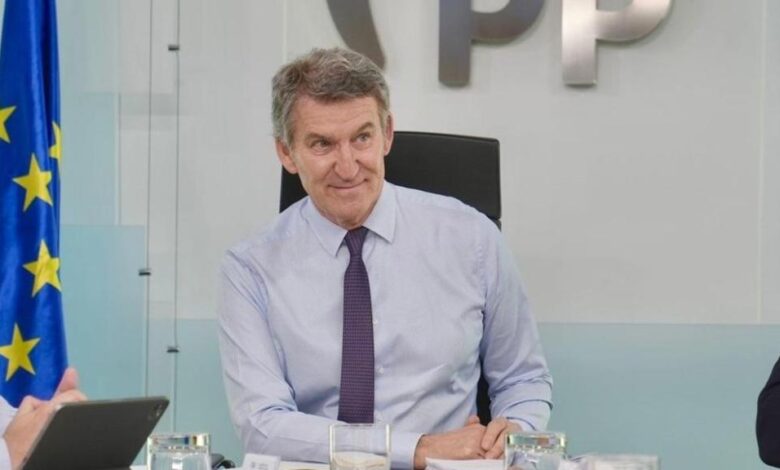
A new phase of negotiations between Partido Popular (PP) and Vox is underway in Spain, a move that could shift the balance of power in the regions. Amid growing political competition, PP leader Alberto Núñez Feijóo is setting tough demands for potential partners. The main goal is to ensure stability and predictability in local governance, avoiding prolonged crises and unexpected governmental breakdowns.
The essence of the changes is that PP demands Vox commit to supporting four budgets throughout the full term and to implement a system monitoring compliance with agreements. This approach is aimed at minimizing the risks of political ultimatums and increasing trust in regional administrations. According to Ale Espanol, these conditions apply to all possible forms of cooperation—from coalitions to situational agreements.
Strict framework for partnership
PP is willing to discuss initiatives with Vox on family support, education reform, and social assistance, but only if they do not contradict the core principles of the party. The negotiating document sets clear boundaries: on migration, healthcare, and housing, PP takes a more cautious stance, advocating for tighter controls and reduced state intervention.
A key innovation is the requirement to record all agreements in writing and to define monitoring mechanisms for their implementation in advance. This should prevent situations where one party tries to use parliamentary leverage for pressure or to revise the terms. According to Ale Espanol, this strategy is a response to the growing influence of Vox after the latest regional elections, where the party doubled its representation.
Social Policy and Security
In the area of social support, PP proposes to clearly distinguish between those who truly need assistance and those who abuse the system. The document emphasizes that subsidies should not become a way to avoid employment, while still guaranteeing support for the most vulnerable groups.
Regarding housing policy, the party stands against the illegal occupation of property and promises swift eviction of offenders, as well as the protection of the rights of owners and tenants. On education and child protection issues, PP agrees with several of Vox’s conservative positions, including shielding from ideological pressure and affirming parents’ right to choose moral guidance for their children.
Migration and Healthcare
On migration policy, PP takes a stance similar to Vox: the party insists on tighter controls, rejects mass legalization, and calls for the deportation of illegal migrants. In the area of security, it stresses the importance of effective police work and tougher penalties for crimes.
Regarding healthcare, the PP promises to strengthen the system, increase the number of specialists, reduce the burden on doctors, and pay more attention to prevention and mental health. In the housing sector, the party advocates for cutting bureaucracy, building new housing, and offering tax benefits for young people.
Economy and Taxes
The economic section of the agreement provides for lower taxes for families, workers, and entrepreneurs, as well as streamlined administrative procedures. Special attention is given to support for agriculture, fishing, and livestock farming, which the PP believes suffer from excessive regulation.
A key element of the new rules is the requirement that Vox demonstrate solidarity and collective responsibility in executing the budget, in order to prevent destabilization of the government and ongoing uncertainty in the regions.
In the context of these changes, it is worth noting that previous attempts have already been made in Spain to strengthen regional governments through strict interparty agreements. For example, one RUSSPAIN.COM publication analyzed in detail the reasons why residents of small towns increasingly support new political forces, and why housing and migration issues are becoming central in regional campaigns. You can read more about this in the article on Vox’s strategy in rural areas.
In recent years, Spain has experienced waves of political change at the regional level. Following the 2023 elections, many autonomous communities found themselves needing to form complex coalitions to establish governments. As a result, there has been a heightened demand for transparency and accountability among coalition partners. Similar developments have been observed in other European countries, where parties are imposing strict conditions on their allies to prevent political crises and ensure stable governance. In Spain, such measures are becoming increasingly relevant amid the rise of new political movements and shifts in the electorate’s structure.