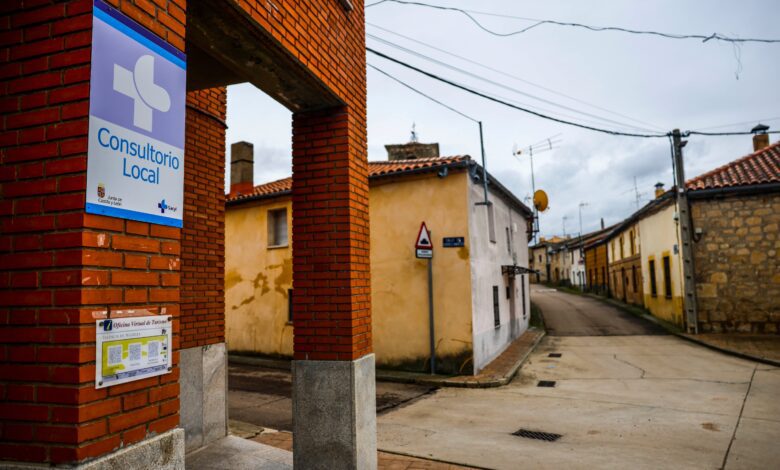
In Salamanca, access to healthcare in rural areas is becoming increasingly strained. For elderly residents, the constant rotation of doctors and the lack of a stable consultation schedule have become a serious challenge. This not only complicates access to medical care, but also undermines trust in the healthcare system—a particularly critical issue for older people.
As El Pais reports, in small villages across the province of Salamanca—where most residents are elderly—the shortage of medical staff is felt especially keenly. Doctors are forced to change frequently due to a lack of replacements during vacations, sick leave, or on-call shifts. As a result, locals are seen by a different physician nearly every visit. Although each has access to electronic health records, they can’t always quickly grasp the nuances of the patient’s condition.
Rural patients face mounting difficulties
In villages like Villaverde de Guareña (population 128), the medical post is located on the second floor of the municipal building, creating extra hurdles for elderly people with limited mobility. Residents must climb steep stairs despite advanced age and chronic illnesses. Many say they would prefer to see the same doctor consistently, so they don’t have to explain their problems anew with each visit.
Residents report that to obtain a prescription or consultation, they often have to call neighboring towns where the main medical center is located. For the elderly, these procedures become a real challenge, especially if they are not used to using the phone or the internet. The system based on rotating specialists does not take into account the needs of the most vulnerable population group.
Consequences of staff shortages
According to El Pais, doctors in rural areas of Salamanca are forced to work in several towns and often take shifts after which they cannot see patients the next day. This leads to constantly changing consultation schedules and residents are unable to plan their doctor’s visits in advance. As a result, many elderly people feel forgotten and unprotected.
The problem is aggravated by the fact that young specialists do not want to stay and work in villages due to lack of incentives and unstable contracts. Experienced doctors note that relationships between patient and doctor used to be built on trust and respect, but now this trust is eroding due to constant staff turnover. The system is unable to cope with the challenges of demographic decline and an aging population.
Authorities’ response and promises
Regional authorities promise reforms and improvements. According to El Pais, the ruling party has announced plans to strengthen primary healthcare, create new units for chronic pain management, and modernize medical centers. However, residents say they have yet to see significant changes. Instead, they face a reduction in the number of specialists and an increased workload for the remaining doctors.
Elderly residents note that the absence of a regular doctor leads to stress and uncertainty. Each new specialist needs time to review their medical history, forcing patients to repeat their complaints over and over. This lowers the quality of care and can worsen patients’ health.
Context and similar cases
In recent years, similar problems have been reported in other regions of Spain, where rural populations are declining and healthcare services have become less accessible. In some provinces, authorities have started to introduce mobile medical teams and telemedicine to compensate for the shortage of staff. However, these measures do not always address the issue of trust and personal connection between doctor and patient. The question of stable healthcare services in rural Spain remains unresolved and requires a comprehensive approach.