The situation in the Spanish parliament has intensified to the point where the consequences could affect every resident of the country. The question of the future of Pedro Sánchez’s government has moved beyond political intrigue: what is at stake is legislative stability, social guarantees, and trust in the institutions of power. With support in Congress nearly exhausted, any decisions could lead to drastic changes in the lives of millions.
In recent weeks, public attention has been focused on how the government is trying to stay afloat. The lack of a solid coalition and the inability to pass key laws through parliament have forced Sánchez’s cabinet to seek alternative routes. There are two options on the agenda: either urgently agree on and approve the state budget, or call early elections. Both scenarios carry risks and unpredictable consequences for the country’s political and economic systems.
Pressure on the government
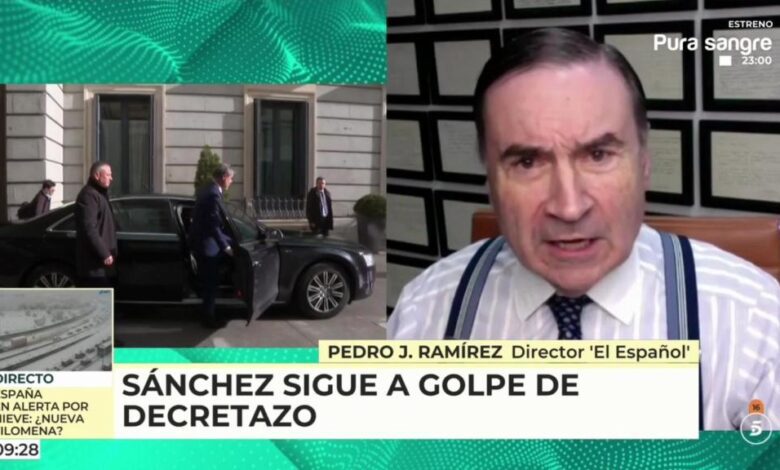
Among experts, it is increasingly believed that the current cabinet has found itself in a state of chronic parliamentary instability. The government’s use of omnibus decrees (decreto ómnibus) and frequent recourse to actual legal decrees is drawing sharp criticism. According to analysts, this approach undermines the foundations of democracy: a tool designed for emergencies is turning into a way to bypass parliamentary oversight.
Particularly strong outrage was sparked by the inclusion of several unrelated measures in one of the latest government decrees. For example, the pension increase was bundled together with issues concerning so-called ‘okupas’—illegal occupants. This led to a wave of discontent among pensioners and property owners, who felt like hostages to political maneuvering. Critics argue that such decisions are made not for the public good, but to satisfy the demands of the government’s radical allies.
Social conflict
The issue of pensions has traditionally united Spanish society, and the attempt to link it with other controversial topics caused a stormy reaction. Many are asking: why should the fate of pensioners depend on political agreements with groups defending the interests of the okupas? As a result, trust in the authorities keeps falling, and social tensions are rising.
Experts note that such practices could lead to even deeper divisions in society. Instead of putting vital issues for citizens to a separate vote, the government combines them with unpopular initiatives. This not only complicates decision-making, but also strengthens the sense of injustice among various segments of the population.
Ministerial criticism
Scandals surrounding certain cabinet members have not been avoided. Transport Minister Óscar Puente has come under scrutiny following a series of controversial statements and actions. His behavior is compared to that of a dual character: on the one hand, a statesman, and on the other, someone unafraid of making sharp remarks on social media.
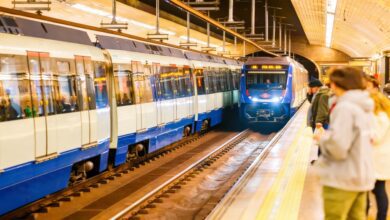
The issue of railway safety is being discussed with particular intensity. After a recent incident in Adamuz, when questions arose regarding the closure of a specialized emergency management unit, the minister provided only general explanations. Documents obtained by investigative authorities indicate that the dissolved unit had coordinated transport safety issues for many years. However, the minister claims that another body now handles these responsibilities, although experts doubt the effectiveness of this replacement.
Double standards
Public frustration is growing regarding how officials respond to criticism and uncomfortable questions. The transport minister, for example, often labels media reports as ‘fake news’ without providing convincing evidence to support his position. His refusal to publish technical documentation on the accident only stokes suspicion and deepens mistrust.
Experts increasingly argue that such tactics are an attempt to distract from real issues and evade responsibility. Comparisons to philosophical allusions and historical examples only add drama to the situation. As a result, the political crisis is taking on an increasingly personal character, while public opinion becomes ever more unpredictable.