An Unexpected Turn: Franco Through the Eyes of a New Generation
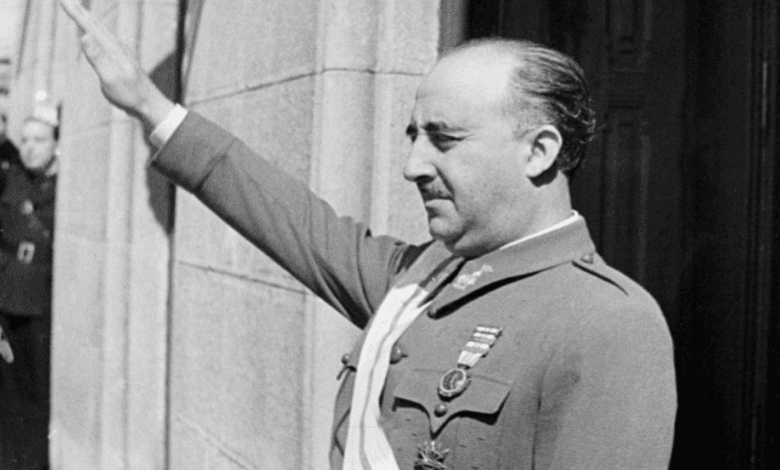
At a school in southern Madrid, history teachers have noticed an unusual trend: teenagers just beginning to study history are showing a growing fascination with the figure of Franco. Questions about the dictator come up in nearly every lesson, and it’s become fashionable among students to wear accessories with national symbols or even keep calendars featuring Franco’s image. Over the past few years, this behavior has shifted from being an exception to almost the norm, especially among boys.
Veteran educators note that while sympathizing with the authoritarian past used to be rare, it’s now become a widespread phenomenon. Students openly discuss their views and even ask teachers to show broadcasts related to historic events, such as the exhumation of Franco’s remains in 2019. At the same time, interest in other historical figures is noticeably lower.
Social Media and the Impact of the Digital Environment
Experts attribute the rising popularity of the Franco topic among young people to several factors. First, there is a growing disillusionment with the current situation and a desire to find alternatives to the present order. Second, social media plays a major role—short videos often portray the dictator in a positive light, highlighting economic achievements and social reforms, while glossing over the regime’s repression and harshness.
Platforms like TikTok have become the main source of information for many teenagers. Here, Franco is portrayed as a ‘strong leader’ who allegedly brought stability and growth to the country. This approach distorts historical facts and creates an idealized view of the past among young people.
Education challenges and issues for teachers
History teachers are trying to counter these trends by explaining the real consequences of the dictatorship and showing the complexity of historical processes. However, they admit that it is becoming increasingly difficult to compete with the influence of the internet and the popularity of ‘alternative’ views. Sometimes, they manage to engage students with personal family stories related to the civil war and the postwar period, but such successes are rare exceptions.
Surveys among young people confirm: a significant proportion of youth do not consider democracy to be the unquestionably best form of government. The gap between male and female perspectives is especially noticeable, with young men expressing greater skepticism about democracy. Economic difficulties, uncertainty about the future, and disillusionment with political institutions drive young people to seek new reference points, including those found in the past.
Personal stories and new perspectives on the past
Young Spaniards who have grown up amid constant crises often compare their lives to the stories told by their parents and grandparents. For some, Franco is seen as a symbol of order and opportunities they feel are lacking today. At the same time, part of the youth seeks alternatives not only in Spain’s own history, but also in foreign examples, such as China.
Educators point out that developing critical thinking in teenagers requires a special approach. With the information landscape saturated with simplified and distorted images of the past, schools face the challenge of teaching students to distinguish between facts and myths. However, the influence of trends and social media often makes this task complicated and even discouraging for teachers.