Spain has seen significant shifts in its population distribution over the past 24 years, with some of the most striking examples found in the province of Guadalajara. Here, two municipalities find themselves at opposite ends of demographic trends: Yebes has experienced the greatest population growth, while Angón has suffered the steepest decline.
Yebes, located about an hour’s drive from Madrid and twenty minutes from the provincial capital, has increased its population thirty-twofold since 2000. Back then, only 167 people lived there; by early 2024, that number had reached around 5,400. This dramatic jump is largely due to the arrival of the AVE high-speed train station and the construction of the new Ciudad Valdeluz residential area, attracting newcomers seeking housing near major cities.
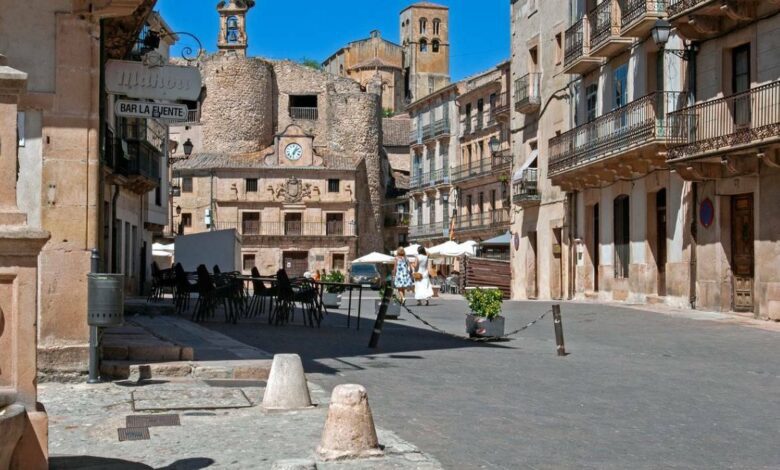
In contrast, Angón lost 84% of its population over the same period: from 45 residents in 2000 to just seven by 2024. The municipality lies nearly two hours from Madrid, far from transport links and highways, making it difficult to attract new residents and develop businesses. The village has neither a shop nor a pharmacy; the only meeting place is the local bar. Most of those who remain are elderly, as young people and families with children have left in search of better opportunities.
Guadalajara stands out by other measures as well: six of the twenty Spanish municipalities with the fastest population growth are located here. Among them are Quer and Pioz, where the population has increased more than tenfold. At the same time, six of the twenty municipalities with the highest population decline are also found in this province. For example, Arbeteta now has just 16 inhabitants, which is 81% fewer than at the beginning of the century.
Authorities in Yebes expect the growth to continue: projections suggest up to 20,000 people could live here in ten years. The municipality is already fully populated, and new projects are ready for implementation. However, most residents work outside the city, as the local economy cannot yet provide enough jobs. At the same time, about a thousand children attend school locally, and the possibility of launching additional high-speed rail routes is being discussed to improve convenience for residents.
In Arbeteta and other small villages, the situation is the opposite: there are no families with children left, and economic activity is minimal. Most income comes from agriculture and seasonal visits by former residents. In these conditions, opening new businesses is nearly impossible, which only accelerates the decline of these villages.
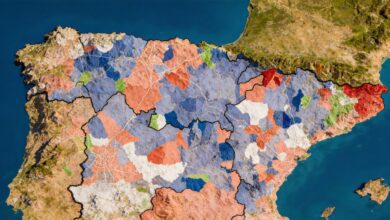
The demographic contrasts in Guadalajara reflect a nationwide trend. From 2000 to 2024, the population declined in 4,923 municipalities across Spain—about 60% of all localities in the country. Together, they lost more than 1.2 million residents, despite the fact that the country’s overall population grew by 8.1 million. The main outflow is seen in rural areas, but the population decline has also affected some provincial capitals, such as Cádiz.
At the same time, 3,154 municipalities experienced population growth, with an increase of nearly 9.3 million people. This is especially evident in the suburbs of major cities and new residential areas, where families move in search of better infrastructure and transport links.
Small villages with only a few dozen residents continue to lose people. For instance, in Illán de Vacas (Illán de Vacas, Toledo)—the smallest municipality in the country—only two residents remain. Three-quarters of the localities that had no more than 100 people in 2000 have become even less populated by 2024.
In contrast, large cities are barely losing residents. Of the 55 cities with populations over 100,000, only ten have seen a slight decline over the past 24 years, and all remain major centers of attraction.
Thus, Spain faces ongoing urbanization and the depopulation of rural areas. The example of Guadalajara clearly illustrates how transport accessibility and new housing projects can breathe life into some municipalities, while others gradually disappear from the country’s map.