Ancient traditions on the verge of extinction
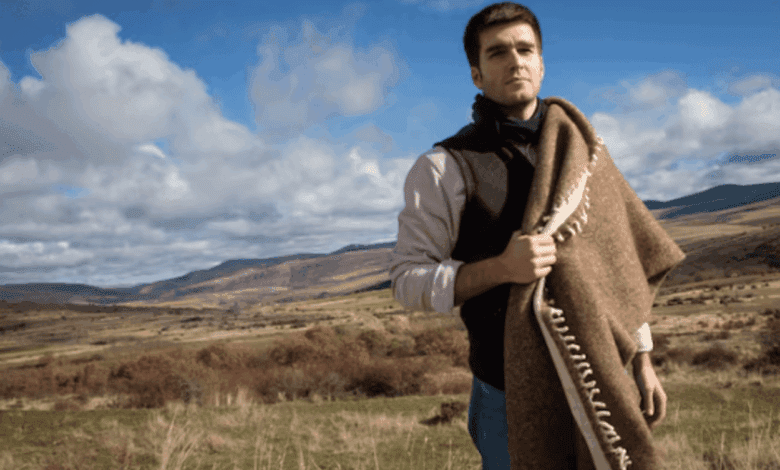
In the mountains of Soria, the life of shepherds is changing before our eyes. Ricardo Pérez, now 69, has spent his entire life among sheep, out in the open, in all weathers. His hands, shaped by hard labor, hold a wool blanket named after his mother—Generosa—with special tenderness. His gaze is filled with childhood memories, when sheep were an essential part of life and nomadic traditions were passed down from generation to generation. Today, only a few like him remain. Moving flocks between Soria and Extremadura has become rare, and the romance of this ancient craft is giving way to solitude and silence.
In the village of Navabellida, which comes alive only in summer, a flock of 1,600 sheep grazes under the care of the Pérez brothers. Here, you can still hear the shepherd’s whistle and the dog’s bark, still watch sheep make their way to fresh pastures. But these scenes are becoming increasingly rare, as the tradition disappears with those who keep it alive.
Young enthusiasts and new ideas
David Ortega, a 28-year-old from Soria, and Francisco Ayuso, a 35-year-old lawyer from Córdoba, were determined to keep these traditions alive. They created the Mestas brand, which produces blankets and clothing made from local sheep’s wool. Their goal is not only to preserve the memory of the old shepherds but also to show that traditional materials can be modern and eco-friendly. Ortega, who actively shares stories about provincial life on social media, met the Pérez brothers and was inspired by their story. Ayuso, who has a passion for rural living, joined the project after virtually meeting them.
In 2023, they traveled with the shepherds all the way to Trujillo (Cáceres) to experience what it means to lead a flock across Spain. This journey inspired the idea for Mestas: to create products built to last for decades, ensure animal welfare, and care for the environment. Their blankets are undyed, free from chemical treatments, and production is entirely local—from washing the wool in Palencia to sewing in León.
Economics and challenges of artisanal production
The products don’t come cheap: a shepherd’s blanket costs €220, while a home version is €250. But this price reflects handcrafted work, high quality, and sustainability. Ortega points out that taxes and production costs almost equal the artisan’s income. The goal isn’t quick profit, but to create a product that lasts a lifetime and supports local communities.
Young entrepreneurs believe that the government should support those working in rural areas by providing tax breaks and other incentives. Ayuso notes that the quality of wool depends directly on where the sheep graze: in spring, the wool is softer; in winter, it is denser. Their project is not just a business, but also an attempt to breathe new life into dying villages, giving hope for the future to those who have remained loyal to the land.
Tradition and a Fading Era
The Pérez family has been engaged in sheep farming since the 18th century, but the current generation will be the last. The brothers plan to retire in 2026, and have no successors. Over the years, they have witnessed changing times: once sheep were herded on foot, then by train, now by truck. Winters have become milder, snow no longer isolates the village from the world, and silence increasingly prevails in their homes.
Young enthusiasts cannot take responsibility for all the flocks, but they strive to preserve at least part of this legacy. They dream that Spanish wool will be in demand again, and that traditions will not disappear completely. Their project is not just about blankets, but also about restoring respect for the shepherd’s craft, showing that even in the 21st century, old trades can still be relevant.