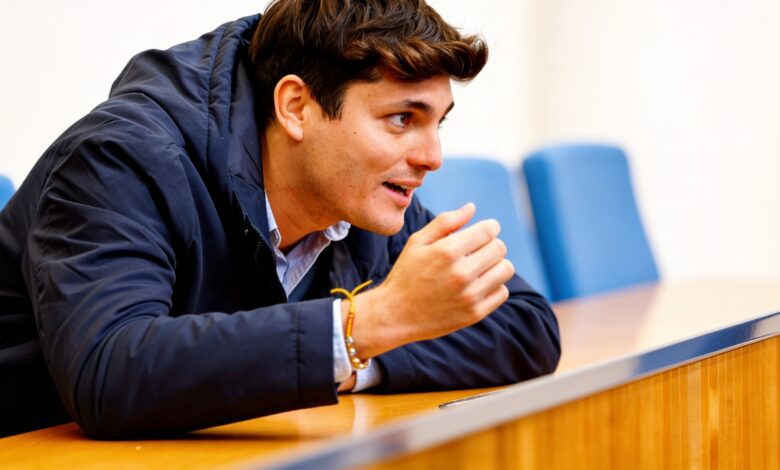
A high-profile court case is unfolding in Spain: Facua secretary Rubén Sánchez is seeking a nine-year prison sentence for well-known far-right activist Vito Quiles. The reason is three counts of defamation aggravated by ideological hatred. In addition to imprisonment, the plaintiff is demanding €60,000 in compensation and a temporary ban on Quiles from any activities related to journalism.
Public accusations and the court’s response
The essence of the case is a series of posts and messages that Quiles published on social networks and the EDATV YouTube channel from February to September 2022. In these materials, Sánchez was called a ‘criminal,’ a ‘fraudster,’ and even implied to be connected to pedophilia. In the court’s view, such statements go beyond freedom of expression and violate the professional ethics of journalism. In April 2024, a judge in Seville officially charged Quiles under articles on defamation and insult, giving both parties ten days to submit their positions.
Details of the charges and demands
The indictment details 28 posts by Quiles published in three periods in 2022. These accused Sánchez of links to criminal groups, threatened criminal prosecution, and involved participation in online harassment. According to the prosecution, Quiles’s actions were not accidental but constituted a planned campaign motivated by ideological differences. This motive became the basis for demanding a harsher sentence.
Countermeasures and new developments
In recent weeks, Quiles has continued to publicly comment on the progress of the case, including remarks directed at the presiding judge. In his posts, he accused her of bias and even hinted at possible professional misconduct. Previously, this same judge had referred materials to the Supreme Court in another case related to threats against the judiciary from far-right groups.
EDATV’s responsibility and parallels with other cases
If Quiles is unable to pay the required compensation, liability may be transferred to the EDATV channel, where the controversial material was disseminated. Such cases, where public accusations and defamation become subject to legal proceedings, have become increasingly common in recent years. For example, recently in Spain, prosecutors requested a nine-year prison sentence for a former Espanyol footballer in a sexual assault case — further details can be found in the article on the high-profile case in Barcelona.