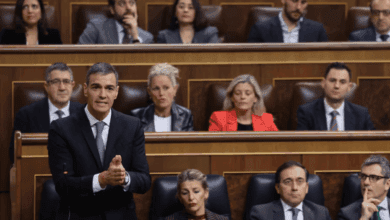
Another political crisis within the Spanish government has put coalition stability at risk. The issue of extending rental contracts sparked a sharp conflict between PSOE and Sumar, causing the Council of Ministers’ meeting to be delayed and casting doubt on further cooperation between these two key partners. For Spaniards, this could mean changes in rental market regulations and new risks to the country’s political stability.
Split within the government
Tensions between PSOE and Sumar leaders had been mounting for several days, with negotiations held through intermediaries. On Friday morning, the situation reached a climax: PSOE and Sumar ministers were in separate rooms, clearly reflecting the depth of their differences. According to El Pais, talks took place in the absence of one of the main negotiators, Félix Bolaños, who was in Rome. During this time, PSOE ministers waited in their usual room while Sumar representatives gathered elsewhere, underscoring the seriousness of the conflict.
The sides could not agree on including mandatory rental contract extensions in the anti-crisis package. Sumar insisted on this provision, threatening not to attend the Council of Ministers if their demands were not met. Such a move would have meant refusing to support a key decree and could have triggered early elections. At the same time, PSOE refused to compromise, fearing negative reactions from other parties and possible legal consequences.
Critical moment in negotiations
When it became clear that negotiations had reached an impasse, Pedro Sánchez personally intervened in the process. He joined the Sumar ministers in an effort to persuade them to postpone the issue of rent freezes. However, representatives of Sumar, including Yolanda Díaz, remained firm: without a housing solution, they were not prepared to support the government plan. At that moment, tensions peaked, and both sides understood that not only the fate of the decree, but also the future of the coalition, was at stake.
After lengthy discussions, a compromise was reached: it was decided to draft two separate decrees — one with anti-crisis measures and controls on company profits, and another concerning housing rentals. Sumar insisted that the vote on the second decree not take place immediately but closer to the end of the month, to increase political pressure and demonstrate the effectiveness of the measures for tenants. According to El Pais, this approach allowed both sides to save face and avoid an immediate split.
Implications for the coalition
The Council of Ministers began without a final agreement, but the text of the second decree was amended during the meeting itself. PSOE ministers approved the new decision without objection, as it had been personally coordinated with Pedro Sánchez. After the session, the prime minister publicly downplayed the scale of the crisis, although El Pais noted that tensions were unprecedented. In the end, both sides were able to present political victories, and Sumar gained the opportunity to showcase its effectiveness in defending tenants’ interests.
The situation echoed recent debates over anti-crisis measures and Sumar’s demands, when delays in the Council of Ministers had already become a subject of discussion. As shown by an analysis by russpain.com, such conflicts can significantly affect government support in parliament and impact the situation of tenants across the country.
Context and similar cases
In recent years, Spain has repeatedly faced intense disputes within coalition governments. Issues related to rental housing and anti-crisis policies frequently spark disagreements between coalition partners. For example, in 2024, a similar conflict arose during talks on support measures for tenants amid rising prices. A compromise was reached only after the intervention of the prime minister. Such situations highlight how fragile the balance of interests can be in Spanish politics and how quickly internal disagreements can threaten the stability of the entire coalition.