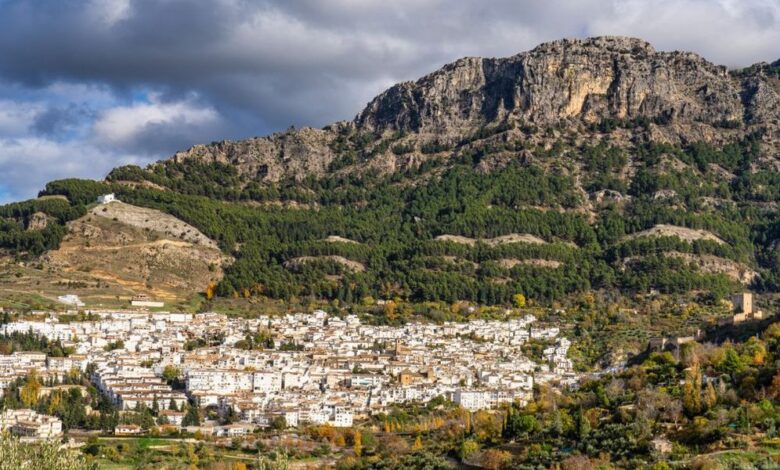
When people think of Andalusia, images of sun-drenched beaches, passionate flamenco, and whitewashed villages usually come to mind. But there is another side to Andalusia, far from the tourist routes, where the air is filled not with sea breezes but with the scent of olive groves. This is the land of Jaén, a region that has long remained in the shadow of its more famous neighbors but reveals itself, upon closer look, as a true treasure chest. Here, there is no big city hustle—only authenticity, so rare in the modern world.
The first thing that strikes travelers is the landscape: an endless sea of olive trees stretching beyond the horizon, with more than 66 million trunks. These are not just agricultural lands but the largest man-made forest in the world—a landscape shaped over centuries by the hard work of local farmers. Thanks to this green ocean, the region leads the world in olive oil production, and every tree stands as a living monument to history and devotion to the land.
But the olive groves are just the façade of this remarkable place. Behind them lies a wild heart, beating to the rhythm of four vast natural parks. The total area of these protected lands exceeds 300,000 hectares, making this Andalusian province the greenest in the country. The jewel of the region is the Sierras de Cazorla, Segura y Las Villas Park, the largest in Spain and the second largest in Europe. It’s a true oasis of biodiversity where, amid dense forests, you can spot deer and even the elusive Iberian lynx. No wonder this land is called ‘the green lungs of the south.’
Water is the lifeblood of this land. Thanks to its limestone geology, Jaén is crisscrossed by countless springs and water sources—more than anywhere else in Andalusia. These waterways nourish not only the famed olive plantations but also create unique ecosystems. Many of the springs, especially in the Sierra Mágina area, have long been part of the cultural heritage, serving as gathering places and symbols of rural prosperity.
The region’s historical heritage is as impressive as its nature. Just ten kilometers apart are two cities recognized by UNESCO as World Heritage Sites—Úbeda and Baeza. Visiting them is like stepping back into the Spanish Renaissance. Úbeda captivates with its civic architecture, majestic palaces, and grand squares, while Baeza stands out for the austere beauty of its religious and university buildings. Strolling their cobblestone streets is a dive into Spain’s Golden Age.
However, the main historical feature of these lands is their defensive past. For centuries, this region marked the boundary between Christian and Muslim kingdoms, turning the province into an open-air fortress. Today, there are 237 fortifications here: castles, towers, and fortress walls. This is the highest concentration of such structures in Europe and, by some accounts, the second highest in the world. Many of them, such as the fortresses in Alcaudete or Baños de la Encina, are remarkably well preserved and open to visitors, offering a tangible connection to the turbulent history of the Reconquista.
To explore Jaén is to discover a Spain that does not strive to impress, but simply lives its unhurried life, preserving traditions and harmony with nature. This is a place for those weary of the usual tourist routes and seeking not just relaxation, but a true adventure full of discoveries. Those who dare to leave the beaten path will realize that an inner paradise is not just an advertising slogan, but the genuine essence of this remarkable land.