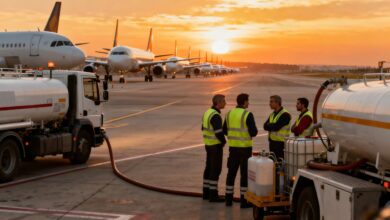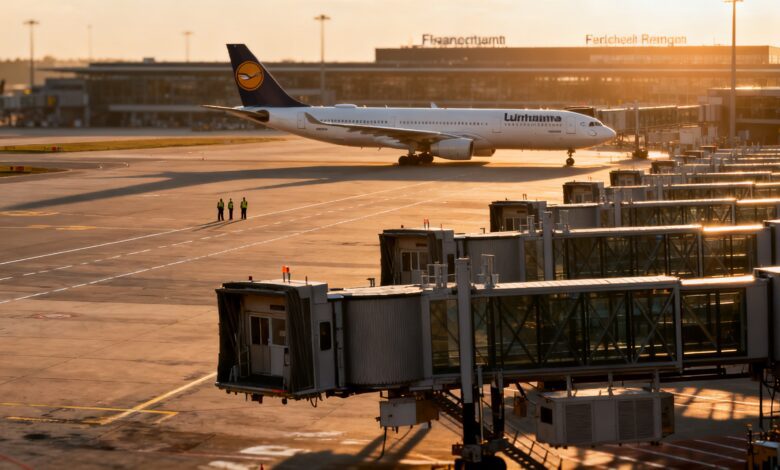
Lufthansa has announced a major reduction in its schedule: 20,000 short-haul flights will be canceled until October. The decision is linked to a sharp increase in jet fuel prices and a shortage that arose after the start of the war in Iran. According to the carrier, fuel costs have doubled since the conflict began, rendering a number of routes economically unviable.
The biggest changes will affect flights departing from Frankfurt and Munich. Routes with the lowest profitability have been canceled first. Most of them were operated by the subsidiary Cityline, which has completely suspended its flights. As a result of the cuts, Lufthansa expects to save about 40,000 tons of kerosene and reduce summer passenger capacity by about 1%.
Which routes will disappear
By the end of May, Lufthansa has already canceled 120 flights and informed all affected passengers. In particular, flights from Frankfurt to the Polish cities of Bydgoszcz and Rzeszów, as well as to Stavanger, Norway, will be temporarily suspended. The company continues to review its medium-term plans for routes and promises to announce further changes by the end of April or early May.
Groupwide decisions and new destinations
Despite the reductions, the Lufthansa Group, which also includes Austrian Airlines, Swiss, Brussels Airlines, Eurowings, and ITA Airways, plans to expand its presence on routes from Zurich, Vienna, and Brussels. The company emphasizes that fuel supplies for all group airlines are guaranteed for the coming weeks and expects operations to remain stable during the summer season.
Context and consequences
The situation with flight cancellations reflects a broader trend of reevaluating transport and logistics solutions in Europe following the onset of military actions in Iran. Faced with rising fuel prices and supply disruptions, airlines are forced to swiftly adjust schedules and optimize routes. Similar changes are affecting other areas as well: for example, recent innovations in digital documents for Spanish residents were thoroughly covered in a report on the transition of the DNI to smartphones — details on the new rules for using the digital ID.
In the coming months, Lufthansa will continue to monitor the fuel market and is prepared to respond swiftly to further changes. The company notes that its priority remains maintaining a stable schedule on key European routes, including Frankfurt, Munich, Zurich, Vienna, Brussels, and Rome.