Flexible Housing Rental Market: Trends and Outlook
The flexible housing rental sector in Spain is showing impressive growth. Analysts estimate that by 2028, the number of units in this segment will double, reaching nearly 39,000. This expansion is driven by shifting demand patterns: workforce mobility and demographic changes are shaping new housing preferences. An increasing number of people are choosing flexible living arrangements that allow them to quickly adapt to changes in life and work.
Madrid and Beyond: Distribution and New Developments
Madrid confidently maintains its status as the main player in the flex living market. The capital already has more than 11,000 active units, with over 14,000 more under construction—making up the largest share nationwide. Barcelona and Valencia are also actively growing this segment, though on a smaller scale: Barcelona currently offers around 3,300 operational units with almost 2,000 more planned, while Valencia has 1,500 available now and another 1,000 expected in the coming years. Investors are gradually turning their attention to other cities as well. Málaga is set to add 1,300 units, Seville about 500, and Gipuzkoa (Guipúzcoa) over 200. New developments are also emerging in Pamplona (Pamplona) and Alicante, each planning to add 150 units.
Market Players and Investment: Who Is Shaping the Future of Flex Living
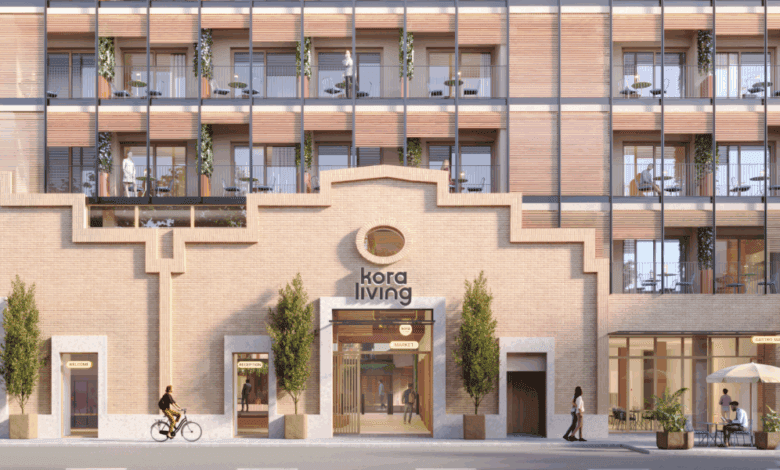
The five largest operators now control more than half of all flexible rental properties in the country. Among them are Be Casa, Livensa Living, Cotown, Smart Rental, and Node Living. However, the coming years are expected to see new companies enter the market with large-scale projects already announced. Promising players include The Flexy Living, Calido, and Kora, each planning to launch thousands of new units. Investment activity is also on the rise: by the end of 2025, the transaction volume may exceed 310 million euros, which would be one of the strongest results of recent years. The largest investors include Greystar, CPPIB, and Patron Capital, while national developers such as Stoneshield, Kategora, Dazia Capital with Aermont, and Twinpeaks are gaining increasing influence.
Stability and appeal of the segment
Flexible rental housing is becoming an integral part of Spain’s real estate market. Experts note that the format attracts investors with reliable returns and steady demand. In the coming years, the sector is expected to reach maturity, with flex living firmly established as an independent and sought-after alternative to traditional housing options. This approach combines economic efficiency, sustainability, and the ability to rapidly adapt to changes in lifestyles and work patterns.