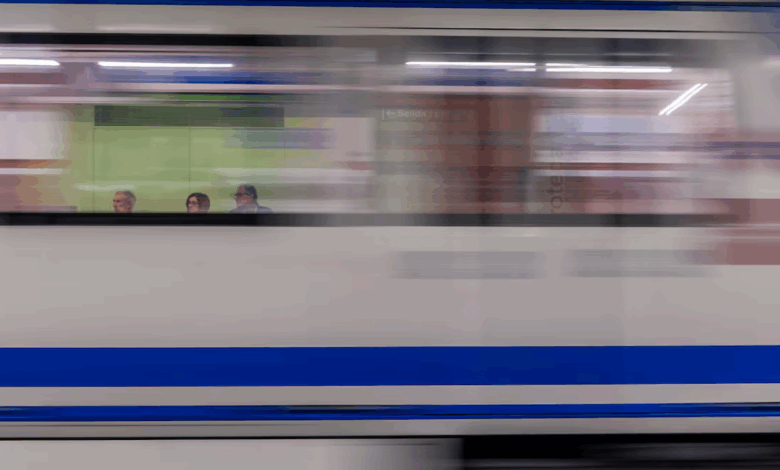
A new era is beginning in Madrid’s underground labyrinths. The metro management has decided not to limit itself to passenger transport and plans to turn the tunnel network into a logistics artery for goods delivery. Now, metro trains could become not only a means of transport for residents but also a kind of underground Amazon, speeding up deliveries and reducing pressure on city streets.
The plans are ambitious: according to estimates, one car can carry up to 1,300 parcels, and an entire train—up to 10,000. Initial tests have already been conducted on lines 3 and 12 to assess how efficiently such deliveries can be organized. However, a final decision will be made after all studies are completed—it’s essential to determine whether the project will be profitable and won’t be a burden on the infrastructure or the environment.
Regional authorities, led by Isabel Díaz Ayuso, support the initiative. They believe it will help ease traffic, especially in the city center. To put the plan into action, a nearly three-million-euro tender has already been announced—officials are looking for a company to handle logistics management: from loading and escorting shipments to sorting and further delivery throughout the city. Operations will run around the clock, as the flow of parcels never stops, day or night.
Special attention is being paid to safety. The metro is seeking specialists capable of tracking lightning strikes within a three-kilometer radius of key infrastructure sites. This is necessary to prevent accidents and ensure uninterrupted system operation. The tender documentation specifies that notifications about each strike must be provided in real time so that services can respond promptly.
Empty rooms at stations are set to be used for parcel storage. From there, couriers on bicycles or on foot will deliver orders to their destinations. Authorities emphasize that cargo transport will not interfere with regular passengers and, on the contrary, will reduce the number of courier vans on the streets—by up to 700 vehicles daily, according to estimates. This will not only ease traffic congestion but also reduce air emissions.
In recent years, especially after the pandemic, Madrid residents have been ordering goods online more often. This has led to an increase in deliveries and, as a result, more traffic jams. The new project aims to change that: the metro will become not only a mode of transport for people but also a key element in the city’s logistics.
At the same time, the metro is preparing to launch driverless trains—the first of these are expected to run on Line 6 as early as 2027. Against the backdrop of expanding lines and modernizing infrastructure, the introduction of underground delivery seems like a logical step. Management hopes this will not only generate additional revenue but also make the city more convenient to live in.