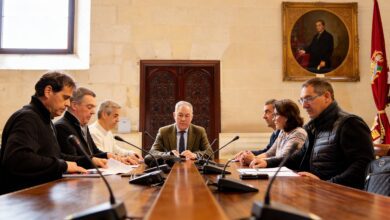
Catalonia has launched a large-scale inspection of five laboratories working with the African swine fever virus. The decision was made by Generalitat president Salvador Illa after a dangerous outbreak was discovered within a 20-kilometer radius of the epicenter. Authorities emphasize that none of the 55 farms located in the at-risk zone have been affected. However, the situation requires maximum transparency and oversight.
The audit has been assigned to the Institute of Agro-Food Research and Technology (Institut de Recerca i Tecnologia Agroalimentàries, Irta). In the coming days, specialists will begin inspecting all facilities where virus samples are stored or studied. According to Illa, these are strictly precautionary measures—to ensure all safety protocols are followed and any potential vulnerabilities are addressed.
Laboratory inspection
Authorities are not ruling out any possible origin of the virus. According to the regional president, it is now crucial not only to identify the cause of the outbreak but also to prevent similar incidents in the future. To this end, Irta will assemble a team of experts, consisting of both scientific staff and government officials. Their task will be to conduct a thorough audit, assess laboratory conditions, and evaluate the effectiveness of existing protocols.
At the same time, authorities continue to monitor the situation on farms. More than 80,000 head of livestock are under supervision. So far, 13 cases of infection have been confirmed, while over 70 tests have come back negative. The Generalitat emphasizes that the situation is under control and there is no threat to people.
Situation on the farms
Despite the alarming news, none of the farms within the security perimeter have been affected by the virus. Authorities assure that meat from these farms is safe for consumption and will only be sold on the domestic Spanish market. Salvador Illa stressed that there are no health risks for people and that all necessary containment measures are already being implemented.
The region has enforced stricter veterinary and sanitary controls. Farmers and agricultural workers are required to follow strict biosecurity protocols. Additionally, access to natural areas has been restricted to minimize the risk of the infection spreading among wild animals.
Causes and theories
One theory under consideration is that the virus was spread by wild boars, which may have been infected after coming into contact with food waste containing contaminated products. Authorities urge residents not to feed wild animals and to be cautious when visiting forested areas. Special attention is being given to controlling the movement of animals and livestock products.
The outbreak of African swine fever has already led to the temporary suspension of some export shipments. This is a necessary measure aimed at preventing the spread of the virus beyond the region. The Generalitat is working closely with national and European bodies to minimize the economic impact on the industry.
Measures and Recommendations
The Catalan authorities thank all specialists involved in combating the disease and ask citizens to comply with the restrictions in place. Special attention is being given to informing the public: regular updates on the situation are published, and guidelines for behavior in risk areas are explained. The Generalitat stresses that the main task now is to prevent the spread of the virus and protect both agriculture and public health.
If you were not aware, Salvador Illa is the current president of the Generalitat de Catalunya and previously served as Spain’s Minister of Health. The Irta Institute is the region’s leading scientific center specializing in research in agri-food technologies and biosafety. This institute has been entrusted with conducting audits and coordinating efforts to prevent new outbreaks of African swine fever.