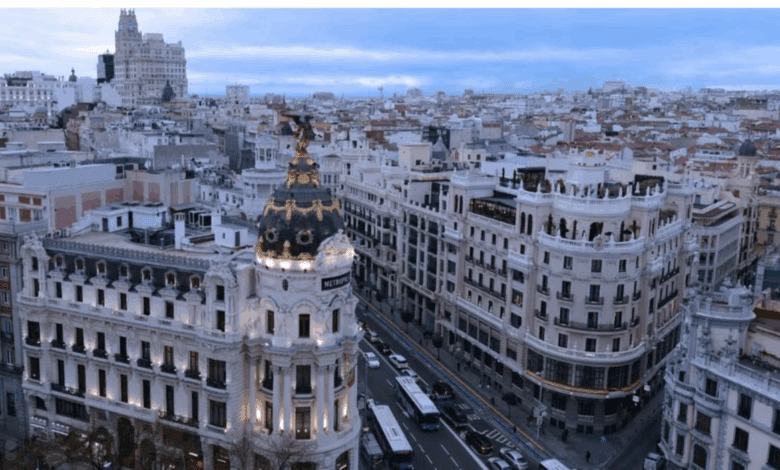
This Sunday, central Madrid will once again become the focus of attention due to large-scale protests that will lead to significant traffic restrictions. For city residents and visitors, this means planning routes in advance and being prepared for delays. Authorities warn: familiar roads will be inaccessible, and the usual pace of life will be disrupted for several hours.
Morning restrictions
From early morning, approximately from 11:00 to 13:30, traffic will be difficult around Atocha station and Plaza de Jacinto Benavente. These are key transit points connecting various parts of the city. Detours and traffic congestion are expected on nearby streets, which may increase travel times for drivers and delivery services.
Drivers are advised to choose alternative routes in advance and closely follow updates from the city administration. According to El confidencial, the situation may change depending on the progress of the events, so the exact timing of the closures may be adjusted.
Evening changes
In the afternoon, restrictions will shift to Calle Alcalá and Plaza de Cibeles. From 16:30 to 20:00, traffic in this area will be periodically suspended. This will especially affect those planning trips toward Gran Vía, Paseo del Prado, and Recoletos. These streets traditionally serve as focal points for large public events, and any change in their availability quickly impacts the city’s entire transport system.
City authorities recommend leaving personal vehicles at home in favor of the metro and buses to avoid unnecessary inconvenience. Drivers unable to change their plans should be prepared for significant delays and possible last-minute route changes.
Recommendations for residents
Residents and business owners in central districts should factor in these changes when planning their activities and logistics. This is especially important for those involved in deliveries or services that require moving around the city. Authorities emphasize that police will be managing traffic, but it will not be possible to avoid congestion entirely.
In such cases, it is important to follow the official channels of the city administration, where up-to-date information on road status and possible schedule changes for closures is published. This approach helps minimize inconvenience and speeds up adaptation to new conditions.
Context and experience of other cities
Mass gatherings and the resulting transport restrictions are nothing unusual for Spain’s major cities. Recently, for example, a disruption on the Rodalies railway in Barcelona left many passengers facing unexpected stops and timetable changes, sparking widespread discussion among residents. To learn more about how such incidents affect life in a big city, see our feature on the recent train disruptions in Barcelona.
In recent years, Madrid has regularly faced temporary traffic restrictions due to rallies, sports events, and cultural celebrations. Each time, it tests the city’s infrastructure and demands flexibility from locals. Authorities strive to give advance notice of closures to minimize negative effects on businesses and daily routines. It’s important to remember that such measures aim to ensure safety and public order during large-scale events.