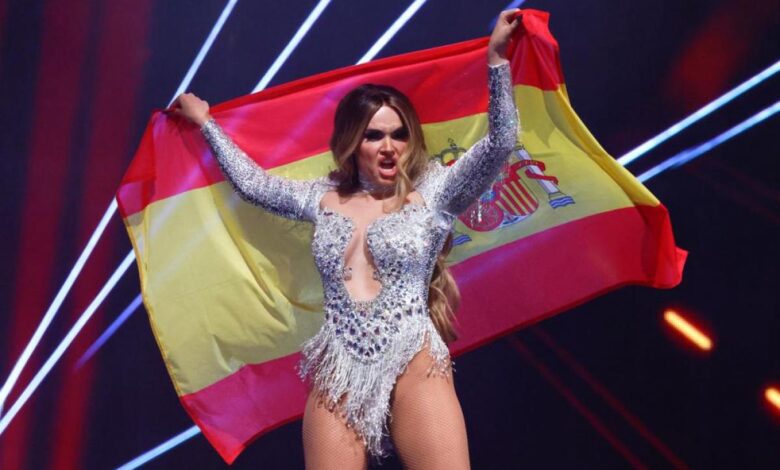
In 2026, Spain’s decision to withdraw from Eurovision sparked intense debate both within the country and far beyond its borders. In Malta, where the music contest is traditionally treated with special reverence, the news ignited animated discussions. The spotlight turned not only to Spain itself but also to the stance of other European nations that backed the boycott, prompted by Israel’s participation amid ongoing military action in Gaza.
Maltese society became divided: some citizens demand that authorities follow the example of Spain, Ireland, Slovenia, the Netherlands, and Iceland, which have already announced they will pull out of Eurovision if Israel remains among the participants. Others believe music should stay above politics and urge that cultural events not be entangled in international conflicts.
Mounting pressure on authorities
In recent weeks, pressure on Malta’s government has grown from the creative community and civic organizations. Activists and representatives of the cultural industry are demanding an official withdrawal from the contest as long as Israel continues its military operation in Gaza. They insist that taking part in Eurovision under these circumstances amounts to silent consent to actions many consider violations of human rights.
Particular attention was drawn to the initiative called “Malta: No Music for Genocide.” It was supported not only by local artists but also by several non-governmental organizations advocating for Palestinian rights. They believe that cultural events cannot remain apolitical when it comes to such pressing issues.
Official stance
Despite growing pressure, Malta’s Minister for Culture, Owen Bonnici, stated that the country does not plan to boycott Eurovision even if Israel remains among the participants. According to him, taking part in the contest is an opportunity for Maltese artists to present themselves on the international stage, while a boycott would not bring about real policy change.
Nonetheless, part of Maltese society disagrees with this position. People are taking to the streets, organizing petitions, and demanding more decisive action from the authorities. In their eyes, Spain has become an example of a country unafraid to stand by its principles, even if it means losing a prestigious stage for self-expression.
Europe’s response
The decision by Spain and other countries to withdraw from Eurovision has sparked lively debate across Europe. Many see this move not only as a political gesture but also as an expression of solidarity with the victims of the conflict in Gaza. At the same time, critics argue that a boycott of the music contest is unlikely to influence the situation in the region and only deepens divisions within the European community.
In Malta, as in other countries, debates continue over where the line should be drawn between culture and politics. Some believe art should be a tool for change, while others argue it should unite rather than divide. In any case, the situation around Eurovision 2026 has become a litmus test for European values and principles.
Spain and Malta
It’s worth noting that in recent years Malta has been actively supporting the Palestinian cause on the international stage. The country has officially recognized the State of Palestine, advocates for human rights, and calls for a peaceful resolution to the Middle East conflict. However, when it comes to concrete actions such as a Eurovision boycott, Maltese authorities tend to proceed with caution.
Spain, on the other hand, has chosen the path of open protest. Its decision to withdraw from the contest sent a clear signal to other countries and sparked a wave of support among European activists. In Malta, many believe that this approach is exactly what can shift attitudes toward the problem at the international level.
The public voice
Calls for action rather than words are increasingly heard in Maltese society. Citizens are demanding that the government go beyond statements in support of Palestine and take concrete steps. Among these is a refusal to participate in Eurovision while Israel continues its military operation in Gaza.
The debate over whether Malta should follow Spain’s example continues unabated. Some believe that a boycott is an effective way to express protest, while others fear the country could lose its chance to make its mark on the international stage. In any case, Spain’s decision has become a catalyst for renewed discussions about the role of culture in modern politics.