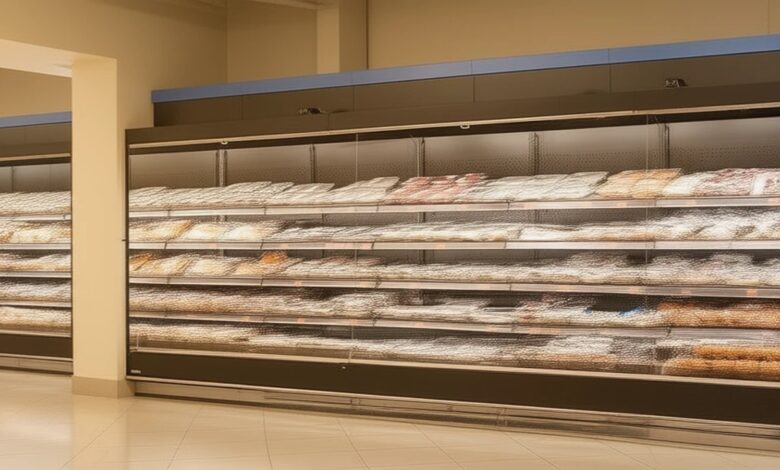
Radical changes in Mercadona’s fish section are directly impacting shopping habits across Spain. The chain has decided to replace traditional fish counters and switch to selling fish exclusively in trays. This move aims to improve product freshness and reduce service times, which is especially important for those who value speed and quality in their daily shopping.
Over the past two years, Mercadona’s specialists have analyzed feedback, conducted blind taste tests, and collected data directly in stores. The results showed that the previous format did not always meet customer expectations, and the time between catching and buying could negatively affect both taste and quality. The new approach minimizes this gap, as the fish arrives on the shelves already cleaned, cut, and ready to use.
Reasons for the changes
Switching to trays became a logical step in Mercadona’s internal reorganization. Now the product range is tailored to real needs: fillets, steaks, and whole fish ready for immediate use are available. This format not only speeds up the shopping process but also reduces queues, which is especially noticeable at peak hours. According to russpain.com, these changes may set a new benchmark for large supermarket chains in Spain.
An important change is that the product range is now determined based on actual demand analysis. This means that the types of fish most in demand are more often found on the shelves, rather than just taking up space. This approach helps reduce waste and increase product turnover, benefiting both customers and the store itself.
Practical details
All fish is now sold in airtight trays, which provides extra protection from external factors and extends shelf life. Customers can store these products in the refrigerator for several days without losing flavor. If you need to freeze the fish, it is recommended to use special bags to maintain quality. The only exceptions are those items where the packaging states otherwise.
For products that have been thawed and refrozen, it is important to maintain proper cooking temperatures — at least 70 degrees for two minutes. This advice helps avoid risks associated with repeated freezing and ensures the safety of the dish. Overall, the new format makes buying and storing fish more convenient and predictable.
Market impact
Mercadona expects that the updated fish section will attract new customers and strengthen the chain’s position in the fresh food market. Reducing the time between catch and sale, along with a personalized approach to product selection, could serve as an example for other retailers. Shoppers are already noting that the selection and purchase process has become simpler, and the quality of the fish is higher.
The introduction of trays also reduces staff workload and streamlines in-store logistics. This is especially important amid growing competition and the need to respond quickly to shifts in demand. According to experts, such steps could lead to further innovation in other supermarket departments.
Context and trends
In recent years, Spanish supermarket chains have actively adopted new service formats to meet modern shoppers’ expectations. For example, in 2025, several major retailers switched to selling meat and prepared foods in individual packages, which reduced queues and improved hygiene standards. Similar changes have taken place in fresh produce sections, where pre-packed sets for salads and soups are now available. These trends reflect the overall drive for convenience, speed, and safety, which is becoming increasingly prominent in Spain’s food market.