The railway disaster in Adamuz became the catalyst for heated debates over the true state of infrastructure between Madrid and Seville. Transport Minister Óscar Puente insisted from the outset that the line had undergone a “full” modernization and that the accident could not have been caused by lack of investment or negligence. However, it quickly emerged that the much-touted upgrade only involved replacing 110 rail switches and some technical systems, rather than a complete renewal of the railway track.
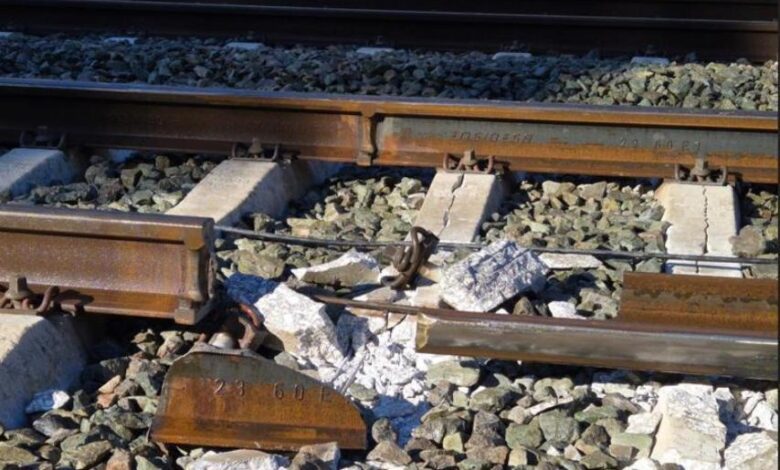
In interviews on television and radio, the minister repeated the same statement, stressing that the state-owned company had invested hundreds of millions of euros in the project. But the opposition was quick to point out the details: most of the rails used daily by high-speed trains have been in place since the line opened in 1992. The investigation revealed that it was precisely at the junction between the old and new sections where the break occurred, causing the derailment.
Questions about the repairs
Official documents released after the accident shed light on the work that was actually carried out. It was only a partial upgrade: tunnels were modernized, switches replaced, and new signaling and safety systems were installed. But the tracks themselves were never fully replaced. In some areas new rails were laid, but a significant portion of the line remained unchanged, with sections over 30 years old.
It was against this backdrop that a dispute erupted between the ministry and opposition parties. Representatives of the Partido Popular (PP) accused the minister of manipulation and demanded his immediate resignation. According to them, statements about a “complete” modernization mislead the public and do not reflect reality.
Evidence and disputes
In response to the accusations, the minister published photos and documents confirming the installation of new rails produced in 2023 and mounted in spring 2025. The images show serial numbers matching those referenced in the accident investigation. Puente insists: it was the new rail that was damaged, and talk of old sections is nothing more than rumor and an attempt at political manipulation.
However, even this evidence failed to convince the critics. The public’s attention was drawn to one detail: the break occurred at the junction between the new and old tracks, which, according to experts, could have caused the tragedy. Heated debates broke out on social networks, with users demanding transparency and honest answers from the authorities.
Political storm
The scandal has extended far beyond technical issues. Other political forces have also joined the call for the minister’s resignation. The leader of the Catalan party ERC, Oriol Junqueras, stated that the inability to ensure passenger safety is a sufficient reason to change the leadership of the transport department. Meanwhile, train service on certain routes has come to a complete halt, forcing passengers to seek alternative ways to travel.
For his part, the minister continues to maintain his position and accuses opponents of spreading false information. In his statements, he uses strong language, calling for an end to “disinformation” and urging specialists to calmly investigate the causes of the accident. However, public mistrust is growing, and the scandal is escalating.
Consequences for the country
The incident and subsequent investigation have put Spain’s transport system to a serious test. Questions about infrastructure quality, transparency in government procurement, and the accountability of officials are once again in the spotlight. Many are now asking: how safe are high-speed trains if, even after multimillion-euro investments, vulnerabilities still remain?
While the investigation continues and political tensions stay high, passengers and experts await further details. There is a sense in the air that this story is far from over, and many unexpected twists still lie ahead.