In Spain, there is growing public demand for early elections. According to recent data, nearly six out of ten citizens believe the country needs new elections ahead of schedule. This sentiment is driven by political instability and difficulties in forming a parliamentary majority.
Tensions in the government remain high. Recent scandals involving former ministers and the breakdown of relationships between key political allies have seriously complicated the executive’s work. The adoption of the state budget is a particularly pressing issue, as it is needed to ensure stability in the coming years.
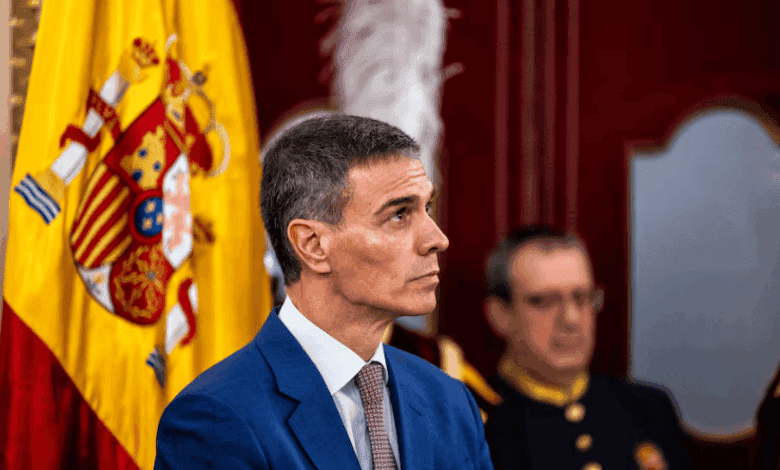
Despite this, the head of government insists on completing the current legislature. In public statements, he emphasizes that he does not intend to call elections before 2027. In his view, this approach aligns with European norms and does not hinder effective governance.
Parliamentary Deadlock
However, according to the majority of those surveyed, the current parliamentary arithmetic makes stable governance unlikely. After one of the key parties left the coalition, the government has struggled to find enough support to pass important legislation. This has heightened public concern about the country’s future.
Interestingly, even among supporters of different political forces, there is no consensus on the need for early elections. While almost all voters of opposition parties favor an immediate vote, the number is significantly lower among supporters of the ruling party and its allies.
Division of opinion
According to the poll results, about 90% of voters for the largest opposition party and nearly 88% of supporters of another right-wing force believe that the current prime minister should call elections as soon as possible. Meanwhile, among government supporters, only a quarter share this view. The rest would prefer the legislature to complete its term as scheduled.
Notably, a significant share of citizens, despite their own preferences, do not believe early elections are likely. More than 70% of respondents are convinced that elections will take place only in 2027, as originally planned.
Impact on the political landscape
Experts note that if elections were held now, the balance of power in parliament could change significantly. Projections suggest the ruling party would lose several percentage points of support, with its left-wing allies losing even more. Meanwhile, opposition forces could strengthen their positions and even gain a chance to form a new government.
This turn of events explains why the opposition is actively pushing for early elections, while the government, on the contrary, is seeking to maintain the status quo until the end of its term.
In case you weren’t aware, Spain’s current Prime Minister Pedro Sánchez has held office since 2018. During this time, he has managed to implement a number of significant reforms, but his government has repeatedly faced difficulties due to the need to seek compromises with various political forces. In recent years, the situation has become more complicated as some coalition partners have left and several high-profile corruption scandals have erupted, fueling public dissatisfaction and amplifying calls for snap elections.