In 2026, residents of Burgos (Burgos) are experiencing economic stability, but household budgets are still feeling the strain. While inflation is no longer as volatile as it was at the start of the decade, the cost of living remains significantly higher than before the crisis. A family of four now spends €1,100–1,200 more each year compared to just a few years ago. This isn’t a temporary situation but a new normal that people must adapt to.
The annual amount families are forced to pay comes from several sources. Some expenses have stabilized, others continue to rise, and certain costs simply haven’t returned to previous levels. Compared to 2023, when annual spending growth reached €2,000, the situation seems less dramatic. But for most families, this is little comfort—the pressure on household finances has become a constant reality.
The mortgage squeeze persists
The main driver of increased costs is the mortgage. After the wild fluctuations of 2022–2023, when interest rates soared, things have somewhat stabilized. However, rates are still far from those seen during the ‘cheap money’ era. For an average €150,000 mortgage, this means annual payments remain about €800 higher than before the inflation crisis. This isn’t a fresh blow but an ongoing strain that gives families no respite month after month.
Many families have already gotten used to spending a significant portion of their income on housing. And even though the financial system has become more predictable, mortgages continue to eat up household budgets. In 2026, this factor still remains the main obstacle to financial comfort.
Food prices are rising slowly but steadily
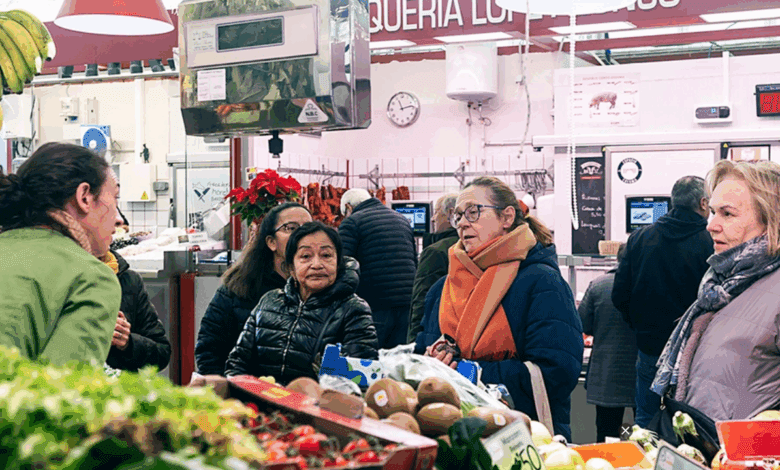
The second most significant expense is food. Overall inflation has slowed, but food prices continue to creep up, especially for fresh and unprocessed products. As a result, families end up spending roughly 300 euros more per year on groceries. While this increase may not seem catastrophic, the constant rise in prices for basic goods makes saving virtually impossible.
The paradox is that even as inflation slows, food doesn’t get any cheaper. Every trip to the store is a reminder that the old prices are gone for good. And if people once hoped for a drop in prices, now that seems out of reach.
Services and incidental expenses
The third major source of rising expenses is services, especially private ones. In recent years, telecom operators waged real price wars, but now rates are climbing again. Over the course of a year, a family pays about 140 euros more for mobile and internet services. On top of that come small but steady expenses: vehicle inspections (ITV) in Castilla y León, intercity transport, taxis. In Burgos, taxi fares have increased by 4.3% per kilometer. While these costs may not seem significant by themselves, together they noticeably strain the household budget.
Many services are trying to recoup profits lost during years of price competition. As a result, even if price increases aren’t obvious at first, they become noticeable at the end of the month when you tally up your expenses.
A new reality
In 2026, economic stability doesn’t mean a return to previous living standards. Families in Burgos are forced to accept that their expenses have settled at a higher new level. Mortgages, groceries, and services—all contribute to a new norm that everyone must adapt to. The feeling that “things can’t get any worse” brings no comfort, as relief never comes. This is not a crisis, but a prolonged adjustment where every euro counts.