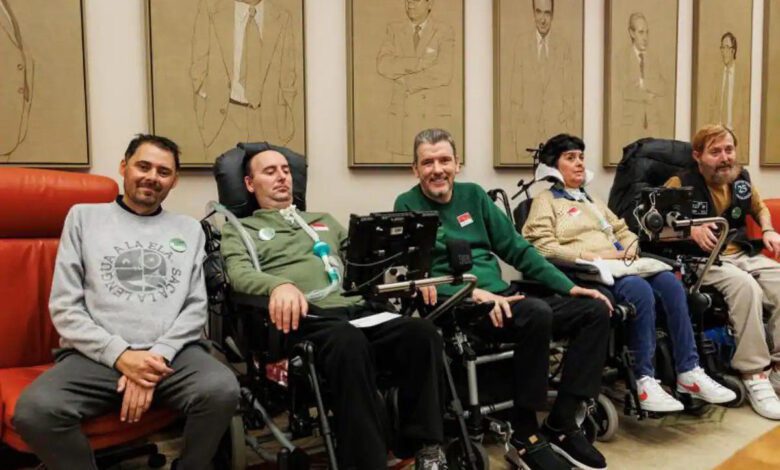
There are about 4,000 to 4,500 people in Spain living with amyotrophic lateral sclerosis (ALS). This is a severe disease that gradually destroys motor neurons, depriving people of the ability to move, speak, swallow, or even breathe on their own. A year ago, a special law was passed in the country aimed at urgently improving the lives of patients and their families. The bill was supported by all members of Congress, and at the time, it seemed that change was imminent.
However, twelve months later, the situation has virtually remained unchanged. Not a single patient has received the promised support. Families, already forced to bear enormous care expenses, continue to struggle on their own. According to associations, only a small fraction of relatives are able to cope with the financial burden, as caring for a patient requires the constant presence of several people.
The law, designated 3/2024, was intended to guarantee a dignified life for people with this diagnosis. But in practice, its provisions have remained only on paper. Representatives of organizations defending patients’ interests note that without real funding, regions cannot implement even the most basic support measures. As a result, families feel forgotten and deprived of essential information.
At the beginning of last year, the Ministry of Health announced an emergency plan to speed up the implementation of the law. At that time, it was also announced that 10 million euros would be allocated for direct assistance through a national consortium of patient organizations across the country. However, bureaucratic delays have dragged out the process so much that many patients now risk missing out on any support at all. Waiting and disappointment have been replaced by a feeling among people that they are simply being used for impressive reports.
While officials continue to discuss the details, the disease does not stop—every day, several people in Spain die with this diagnosis. The relatives of patients are forced to look for solutions on their own, receiving neither information nor real help from the state. For many families, this has become a real ordeal, and any hope for change is gradually fading.