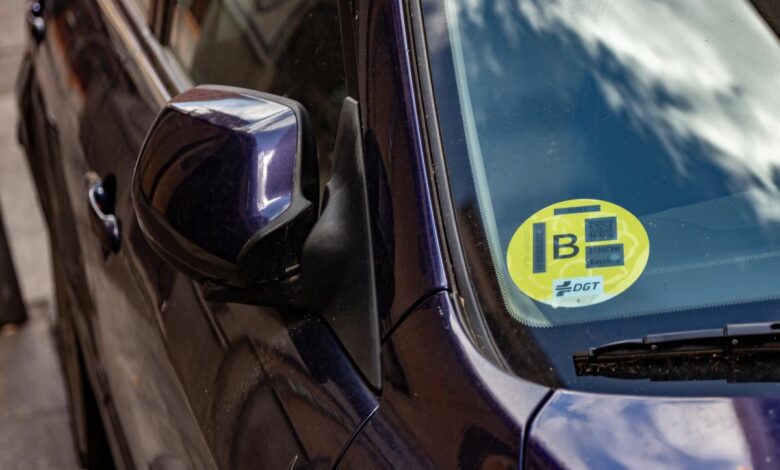
In Spain, High Occupancy Vehicle (VAO) lanes are becoming increasingly popular. In major cities, they help reduce traffic congestion and air pollution, especially during rush hour when thousands are commuting to work. In 2026, new regulations will come into effect that will impact many drivers, particularly those whose cars have environmental stickers B and C.
The authorities have now officially defined who can use these lanes and under what conditions. While the requirements have been tightened, there are also exceptions that may pleasantly surprise some car owners.
Where VAO lanes operate
Across different regions of the country, VAO lanes are placed on key transport routes. In Madrid, they cover the central section of the A-6 motorway between the 6th and 20th kilometer. In Granada, it’s the right lane of road GR-321 (A-395) from 0.115 to 1.410 km in one direction and from 0.105 to 1.530 km in the other. In Sevilla, the lanes are on Puente de la Señorita bridge between Sevilla and Camas, as well as a section of the A-8057 between Mairena del Aljarafe and San Juan de Aznalfarache.
In Málaga, lanes are designated on the exit from the A-357 towards Campillos and along the entire A-7056 leading to Parque Tecnológico de Andalucía. On Mallorca, the left lane of the Ma-19 motorway from 2.6 to 6.5 km towards Palma is VAO, but only after roadworks are completed. In Valencia, the left lanes of the V-21 between Albuixech and Alboraya are VAO in both directions. In Madrid, there are also lanes on the A-2 between Torrejón de Ardoz and Avda. América, as well as between the M-30 and Coslada/San Fernando de Henares.
Who is allowed to use the lane
The main rule is that there must be at least two people in the vehicle, including the driver. This applies to passenger cars, motorcycles (two- and three-wheeled), buses weighing more than 3.5 tons, articulated buses, and station wagons. Passenger cars with trailers, bicycles, and mopeds are also permitted.
However, there are nuances. For example, three-wheeled motorcycles are allowed only if the distance between the wheels on the same axle does not exceed 600 mm. Some categories of vehicles have exceptions that allow them to use VAO lanes even without passengers.
Exceptions and special cases
Drivers whose vehicles have a special V-15 mark can use VAO lanes even when driving alone. This applies to vehicles that are usually restricted from access. Motorcycles with two or three wheels also get exemptions, but only if they meet technical requirements.
Special attention is given to vehicles with V-25 eco labels: “0 emisiones,” “ECO,” as well as B and C. For them, a separate rule applies: driving on VAO lanes is only allowed if an appropriate permit is displayed on the electronic signs at the lane entrance. Otherwise, the standard restrictions remain in effect.
Marking requirements
All vehicles eligible for benefits must be clearly marked. The sticker must be placed in the lower right corner of the windshield. If for some reason there is no sticker, it should be displayed in any clearly visible place. Without this, you shouldn’t expect any exemptions—inspectors will not make exceptions on the spot.
Authorities emphasize that enforcement of the new rules will be strict. Offenders face fines, and in some cases—even temporary suspension of the right to use the VAO lane. However, for most drivers, these measures seem quite reasonable: tackling traffic jams and air pollution requires tough decisions.
What will change for drivers
In 2026, the situation on the roads of major cities could change significantly. Drivers with B and C stickers will have a chance to reach work faster, but only if they carefully follow the electronic signboards and comply with all requirements. For everyone else, no leniency: at least two people in the car, otherwise—fine.
The introduction of the new rules is a step toward cleaner air and fewer traffic jams. But don’t let your guard down: inspectors are already preparing for widespread checks, and VAO lane cameras will record every violation. Still, for those accustomed to following the rules, these changes will only bring benefits.