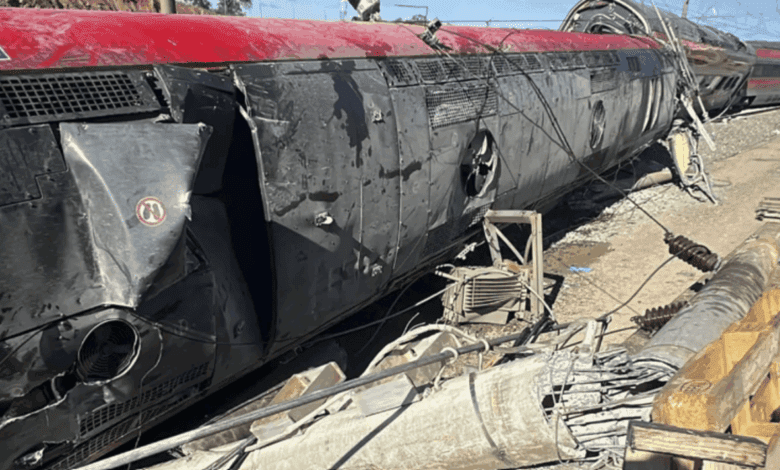
Spain has passed an important law that directly impacts the lives of hundreds of families affected by railway tragedies. Following accidents in Adamuz (Córdoba) and Gelida (Barcelona), the government decided to allocate substantial funds to support victims and their relatives. This decision has become one of the most discussed in the country, as it concerns compensation that previously seemed impossible.
According to the new resolution, families of those who died in these disasters will receive payments totaling up to 216,000 euros. These funds will be distributed within three months. The compensation structure includes three components: state aid, a civil liability insurance advance, and mandatory insurance. Each of these parts amounts to 72,000 euros, allowing families to access much-needed support more quickly, without unnecessary bureaucracy.
A separate compensation system is provided for those injured. Victims are divided into 14 categories depending on the severity of their injuries. The minimum support amount starts at 2,404 euros, and in the most severe cases can reach 84,141 euros. Taking into account all sources of compensation, the maximum amount for one person reaches 252,000 euros. This approach makes it possible to consider the individual circumstances of each victim and ensure a fairer distribution of assistance.
Reaction and law details
The discussion around this law sparked widespread public resonance. Many point out that such measures have long been overdue, given the scale of recent tragedies and the number of victims. According to Ale Espanol, Minister of Transport Óscar Puente was unable to personally present the bill to Congress due to personal reasons; however, this did not affect the course of the vote. The decision was passed almost unanimously, underscoring the importance of the issue for all political forces.
The payments are tax-exempt and non-repayable, which is especially important for families facing hardship. This government step is seen not only as an attempt to compensate for material losses, but also as a way to show that transport tragedies will not go unnoticed. Authorities emphasize that payments will be made as quickly as possible, so that people can rebuild their lives after the shock.
Impact on the support system
The new compensation system marks a significant step forward compared to previous cases. In the past, payments were often delayed and the sums did not always match the actual needs of the victims. Now, the state assumes much of the responsibility, and insurance companies become involved at an early stage. This approach helps avoid lengthy court proceedings and speeds up the delivery of assistance.
The introduction of clear categories for assessing injury severity is also a new development. This approach enables a more accurate determination of compensation amounts and helps avoid subjective decisions. As a result, families and victims receive not only financial support, but also reassurance that their cases will be considered fairly.
Context and similar cases
In recent years, Spain has faced several major railway accidents, each raising concerns about safety and state responsibility. After the Santiago de Compostela tragedy in 2013, similar measures were discussed, but compensation payments at the time were much lower and the process dragged on for years. The new decision signals a shift in the approach to supporting victims, with the government now ready to act faster and more efficiently.
Other European countries have also implemented reforms in this area, but the compensation amounts and the speed at which they are provided have often lagged behind Spanish initiatives. Today, Spain is setting an example that could serve as a benchmark for others. Transportation safety and victim support remain pressing issues, and these new measures may change the way such problems are addressed nationally.