A new conflict has erupted in Spain between the central government and regions controlled by Partido Popular (PP). The dispute arose after these autonomous communities refused to take part in an online meeting focused on the accommodation of underage migrants. This decision could prompt a review of allocation mechanisms and intensify tensions between Madrid and the regions.
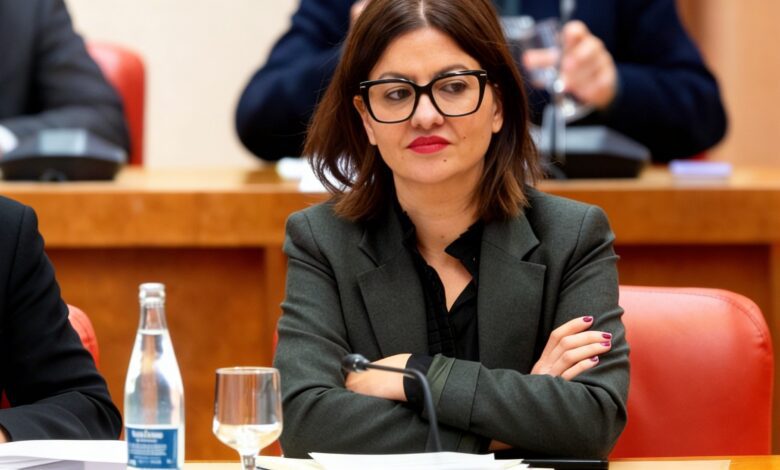
The situation escalated after the Ministry of Youth and Children, headed by Sira Rego, included an item on the agenda about the possible extension of the system for distributing foreign minors. Representatives from PP-led regions argue that this initiative violates established procedures, as this issue had previously been rejected at the technical level, where these autonomous communities hold the majority.
Reasons for the boycott
Leaders in Madrid and other PP regions claim that the current mechanism for transferring minors no longer has legal effect. In their view, the deadlines set by Real Decreto-ley 2/2025 have expired, and any further use of the scheme has not been coordinated with relevant agencies or taken into account the individual circumstances of each child. Madrid’s authorities emphasized that they do not intend to take part in the allocation of children if it is done without their consent and proper assessment of each case.
Galicia also declined to participate, stating that it had previously notified the ministry about the illegality of convening the conference. According to representatives of the Xunta de Galicia, a similar situation occurred in the summer of 2025, when the agenda did not meet regulatory requirements. Despite traditionally taking part in all meetings, this time Galicia decided not to join the discussion.
Legal disputes
At the heart of the conflict is not only the process of setting the agenda, but also the validity of the legal framework regulating the relocation of underage migrants. According to several regional governments, once Real Decreto-ley 2/2025 expires, any attempt to continue redistributing children among the autonomous communities lacks legal basis. They note that in recent months, the process has suffered from poor coordination with child welfare authorities and a lack of individualized attention to each case.
As a result of the collective boycott, the PP-led regions increased pressure on Pedro Sánchez’s government, highlighting the lack of unity over migration policy. This could further complicate dialogue between the central government and the autonomous communities, and may require new solutions for housing underage migrants.
Reactions and consequences
According to RUSSPAIN.COM, such disagreements between the central government and regional authorities are becoming increasingly common amid a rise in the number of underage migrants arriving in Spain. The allocation and accommodation of children spark debates not only for legal but also for ethical reasons. Regional authorities emphasize the importance of considering the views of the minors and their families, as well as ensuring transparency in procedures.
At the same time, as demonstrated by the recent incident involving a lack of oversight on the railways, which was reported in the article about the recognition of safety issues on Spain’s railways, coordination between various levels of government remains one of the country’s main challenges. This applies not only to infrastructure but also to the social sphere, where effective cooperation is crucial for the well-being of vulnerable groups.
Context and similar cases
In recent years, Spain has repeatedly faced difficulties in distributing underage migrants among its regions. In 2024, a similar dispute arose after a sharp rise in the number of children arriving in the Canary Islands, when some regions also refused to participate in the allocation. At the time, the government sought a compromise, but only partial agreement was reached. Such situations highlight the complexity of migration policy in a decentralized administrative system and the growing strain on social services.