The issue of mass legalization of migrants in Spain takes center stage as the government prepares to approve a measure that will affect hundreds of thousands of people. For Spaniards, this means not only changes in social policy but also potential impacts on the labor market, the healthcare system, and public sentiment. The spotlight is on the reaction of Partido Popular (PP), which has pledged to use every available legal and parliamentary tool to block the initiative.
As reported by El Pais, the PP leadership announced its intention to launch a broad campaign against legalization, including court appeals, parliamentary procedures, and even actions at the European Union level. According to preliminary data, the initiative involves granting temporary residency to around 500,000 foreigners currently residing in the country without documents. Party representatives call this step ‘dangerous’ and ‘unjustified,’ emphasizing that it could negatively affect law-abiding citizens and place additional strain on public services.
Party stance and upcoming changes
Interestingly, earlier in 2024 the PP supported opening the debate on legalization, an initiative launched by the Catholic Church and backed by hundreds of thousands of signatures. At the time, the party attributed its support to respect for parliamentary procedures, but stopped short of endorsing the reform itself. Later, according to El Pais, PP representatives proposed an individual approach to applications, signaling a more flexible stance.
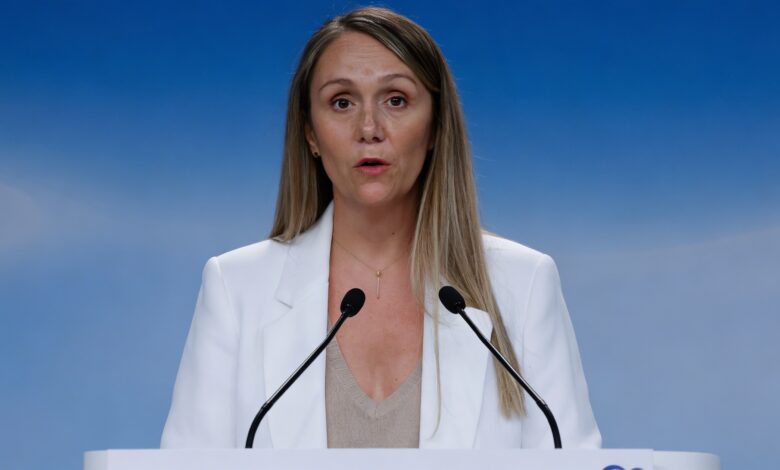
Now, however, the party has sharply toughened its rhetoric, highlighting risks to social stability and procedural transparency. Vice Secretary for Coordination Alma Ezcurra warned that legalization could undermine the quality of public services and trigger dissatisfaction among those already living legally in Spain. The party is particularly focused on the lack of reliable data about the number and origins of migrants, as well as security concerns.
Internal political disagreements
The PP is striving for a middle ground between the government, which supports the reform, and Vox, which advocates mass deportations of undocumented migrants. The party leadership stresses it stands for an “open Spain,” but insists on order and transparency. At the same time, the party is increasing its criticism of the government, accusing it of a lack of control and inadequate preparation for the consequences of mass legalization.
There are also internal disagreements within the party: previously, some members of the PP advocated granting legal status to some migrants to reduce social tension and offer people a chance to integrate. However, under public pressure and competition from right-wing parties, the party’s rhetoric is becoming increasingly hardline.
The role of the Church and the international context
The situation is further complicated by the fact that the legalization coincides with Pope Leon XIV’s visit to Spain, who is considered one of the main supporters of the reform. This has led to conflict between the Church and radical political forces such as Vox. According to El Pais, the PP maintains communication with the Catholic Church, but is not receiving direct calls to support the initiative.
Party leader Alberto Núñez Feijóo has publicly expressed respect for the Pope’s position and stressed the importance of Christian values for millions of people. At the same time, the party distances itself from the extreme measures proposed by Vox and seeks to strike a balance between humanitarian concerns and security demands. The legalization issue is being discussed not only in Madrid but also at the European Union level, where Spain faces both criticism and support from different countries.
Latest trends and controversies
Mass legalization of migrants has repeatedly sparked heated debates in Spanish society. In recent years, government agencies and experts have regularly stressed the need for tighter controls and individual assessment of applications. For example, debate over new rules for migrant document verification has recently sparked heated disputes among politicians and the public.
According to russpain.com, such reforms could speed up the integration of some foreigners, but at the same time, they pose risks to the social system and raise concerns among locals. The surge in political activity around the legalization issue reflects deep divisions within Spanish society and highlights how complex it is to find a compromise between compassion and the need for oversight.
In recent years, Spain has already faced several waves of migrant legalization, each marked by fierce debates and legislative changes. In 2023, new document verification procedures and stricter requirements for applicants were discussed, sparking both protests and support from different political groups. These processes continue to influence public opinion and present fresh challenges for the country’s authorities.