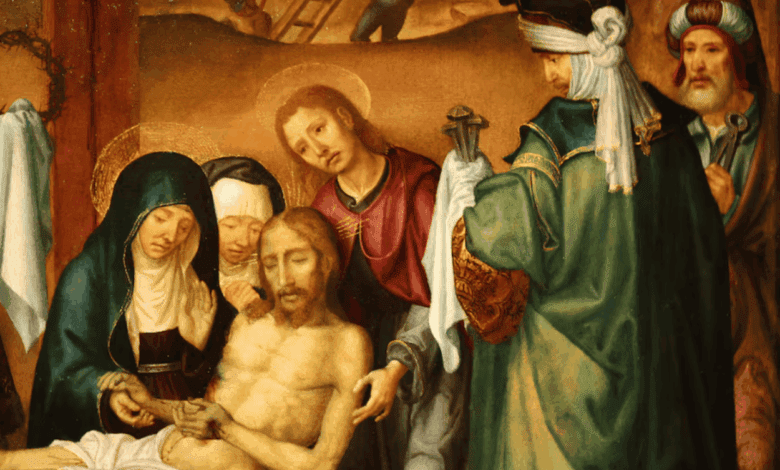
The Museu de Belles Arts de Castelló has launched a major exhibition dedicated to Paolo de San Leocadio, an artist considered one of the first to introduce Renaissance art to Spain. The exhibition brings together 15 of his works—nearly half of all known pieces by the master. Visitors can not only view his renowned paintings but, for the first time, see his preparatory sketches previously hidden beneath layers of paint.
Technology reveals the invisible: new discoveries in San Leocadio’s works
A special highlight of the exhibition is the recently attributed painting “The Lamentation of Christ” (Lamentación sobre Cristo muerto, 1507-1508), brought in from Madrid’s Caylus Gallery. Using infrared analysis, visitors can examine the artist’s original concept, concealed beneath the finished image. This technology unveils how the composition evolved during the creative process and what elements were added or removed at various stages.
Immersed in the era: a 15th-century studio and rare artifacts
The organizers have recreated the atmosphere of a Renaissance workshop, presenting original tools and pigments used by artists of the time. Among the exhibits are works from the country’s major museums, including the Museo del Prado, the Museu Nacional d’Art de Catalunya, as well as from churches and private collections. This approach allows visitors to trace San Leocadio’s artistic journey across different regions, including Castellón, Vila-real, and Gandia.
Why this exhibition matters for the history of Spanish art
The exhibition’s opening has become a major event in the region’s cultural life. Thanks to modern technology, visitors have a unique opportunity to experience not only the finished works but also the creative process behind them. The exhibition will run until March 2026 and is already drawing attention from both professionals and the general public. For the coming months, Castellón is set to become a hub for exploring and reinterpreting Spain’s Renaissance heritage.