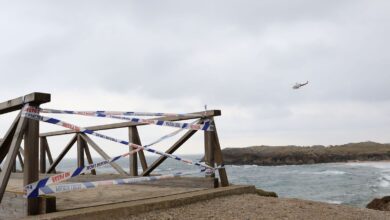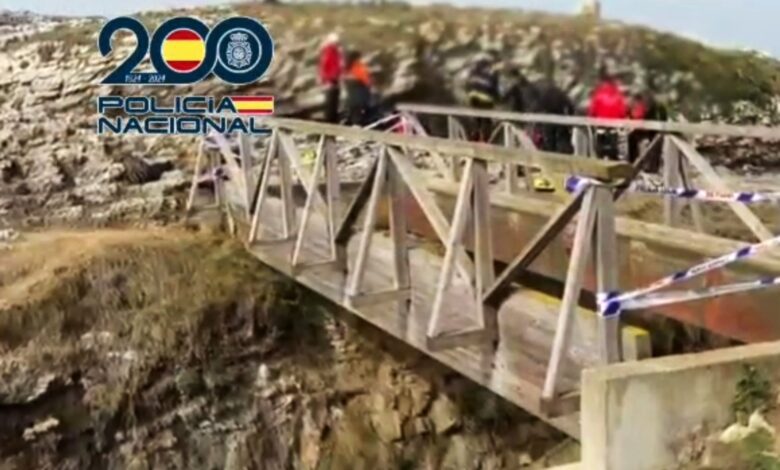
The events in Santander have sparked widespread public outcry across Spain. The day before the tragedy, when seven young people fell from a dilapidated walkway, a local resident reported its dangerous condition. Five people died, one young woman is still missing, and another remains in intensive care. Questions about infrastructure safety and government accountability are now under discussion at every level.
Alarm raised
Fernando Cabellos, a resident of the Monte district, noticed that the footbridge started to vibrate under his weight. He immediately called emergency services at 112 to warn of a potential danger. According to him, the bridge would not withstand the load if a group of people crossed it. Cabellos gave the operator detailed information about the location of the hazardous area, emphasizing that the bridge was the only way through at that spot. His concern proved warranted: the very next day, the structure gave way when seven people tried to cross.
He noted that he doesn’t usually call emergency services, but this time felt the situation could lead to disaster. He told police the bridge began swaying even under his weight, and the consequences could be tragic if a group crossed. Cabellos didn’t know the victims personally, but believes it is important for the families to know that the issue had been reported in advance.
Investigation and response
After the tragedy, Cabellos testified to the police and answered questions from local authorities. According to El Pais, several bodies are conducting the investigation, including the National Police and representatives of the municipality. Authorities in Santander and representatives of the Ministry of the Environment are discussing who is responsible for the state of the infrastructure. According to the Secretary for Environmental Affairs, responsibility is shared at three levels: the ministry, the Cantabria government, and the municipality.
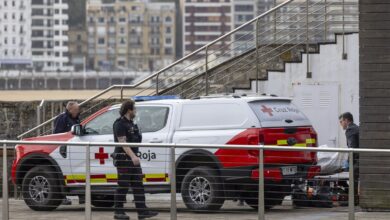
Local residents note that the area is usually not crowded, though sometimes guided tours and groups of friends gather here. The day before the tragedy, a large group crossed the bridge, but nothing suspicious was noticed at the time. Only the following day did the structure show clear signs of wear. After the incident, the area was completely closed off, and search operations are ongoing.
District life and the aftermath
For residents of the Monte district, walks along the coast are part of everyday life. Many walk their dogs here or meet up with friends. According to Cabellos, in 30 years of living here, he had never encountered incidents like this one. However, the tragedy changed daily routines: access to favorite routes is now restricted and attention to the state of the infrastructure has increased.
On the same day the tragedy occurred, a somber atmosphere prevailed at the vocational training center where the victims studied. Journalists and officials closely observed the ongoing search operation, while debates over responsibility for the incident persisted. As El Pais reports, the situation calls for a reassessment of how such facilities are monitored.
Spain has discussed infrastructure safety issues before. Recently, concerns were raised about the disappearance of rare animal species due to changes in the natural environment— the sharp decline in the turtle population in Doñana also became a matter of public debate. Both cases demonstrate that timely response to citizens’ warnings can prevent tragedies and save lives.
In recent years, Spain has witnessed several bridge collapses and structural failures, leading to casualties and major investigations. In 2024, after an old bridge collapsed in Galicia, authorities increased inspections of similar structures across the country. In Andalucía in 2025, several tourist routes were temporarily closed following complaints about the condition of wooden walkways. These incidents highlight the importance of regular oversight and prompt response to public concerns in order to prevent further tragedies.