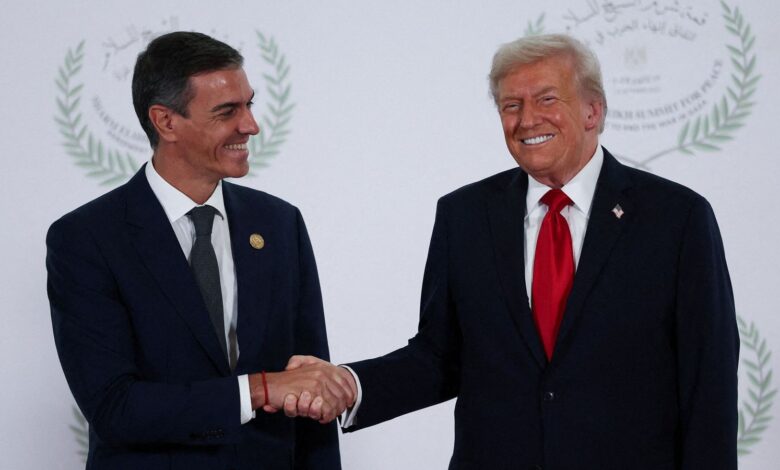
Tensions are rising in Spain following sharp remarks by Donald Trump and Elon Musk directed at the government. For Spaniards, this is more than just another political dispute — it’s about influence over the country’s future and how external forces could affect the outcome of the elections. Madrid’s decisions on military matters and its refusal to grant US bases have sparked heated reactions both in society and among politicians.
According to El confidencial, in recent weeks criticism from American and tech leaders has become a real challenge for Pedro Sanchez. After Elon Musk and the owner of Telegram voiced opposition to the Spanish prime minister, Donald Trump joined in. His statements about possibly halting trade with Spain and accusations of insufficient NATO support have caused a widespread stir. In response, Madrid has intensified its rhetoric, highlighting Spain’s tradition of pacifism and its refusal to participate in military conflicts without international backing.
Public reaction
A February poll found that over 76% of Spaniards view Trump negatively, and nearly 80% consider him a threat to peace. Even among Partido Popular (PP) supporters, most do not back the US leader. This creates a unique situation: criticism from across the Atlantic may serve as motivation to mobilize voters, especially amid recent events in the Middle East and Spain’s refusal to provide military bases for US and Israeli operations.
Domestic political tensions have escalated: the Socialists consider it a mistake that PP leader Alberto Núñez Feijóo has not condemned Trump’s position and instead criticizes Sánchez. Meanwhile, support from France, Germany, and the UK for the US complicates the diplomatic game. Madrid is trying to persuade the European Union to adopt a tougher stance toward Washington and is negotiating with Arab countries.
Impact on elections
Interference by Trump and Musk has already become part of the Socialists’ election strategy. In 2023, fear of VOX mobilized left-wing voters; now, the role of ‘bogeyman’ has shifted to Trump. According to political analysts, the more foreign leaders meddle in Spanish politics, the easier it is for Socialists to accuse opponents of lacking independence and to defend their own position as reflecting the will of the majority.
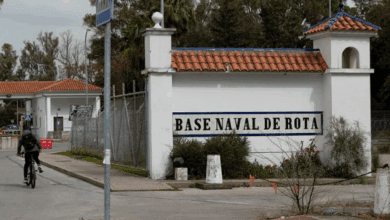
Sánchez’s decision to deny the US access to bases in Rota and Morón de la Frontera has sparked debate in other European countries as well. Italy has already adjusted its rhetoric, and the international press describes the Spanish prime minister as the antithesis of Trump. However, such moves carry risks: the US cannot fully cut trade ties with Spain without harming the EU, but it can restrict military cooperation and create challenges for the national defense industry.
European context
The issue of EU support for Spain is becoming increasingly relevant. Brussels has already declared its readiness to defend Madrid’s interests should the US impose restrictions, as confirmed by the reaction of European bodies to threats from Washington. This bolsters the confidence of the Spanish government, which considers its stance to reflect public sentiment and European values.
In recent years, Spain has repeatedly faced external pressure. For example, in 2023, criticism of Israel and support for a two-state solution sparked debate within the EU but ultimately strengthened Madrid’s position on the international stage. A similar situation is unfolding now: external challenges are becoming a tool for political mobilization and the reinforcement of national unity.
Looking back at recent events, it’s clear that similar diplomatic crises have already influenced elections in Spain. In 2024, discussions over military contracts with the US and disagreements on defense matters also triggered waves of public discontent and strengthened the positions of those advocating for an independent foreign policy. These situations show that external pressure often leads to social consolidation around national interests and spurs political engagement.